“You don’t look depressed.”
“But you have nothing to worry about.”
“Everyone feels anxious sometimes.”
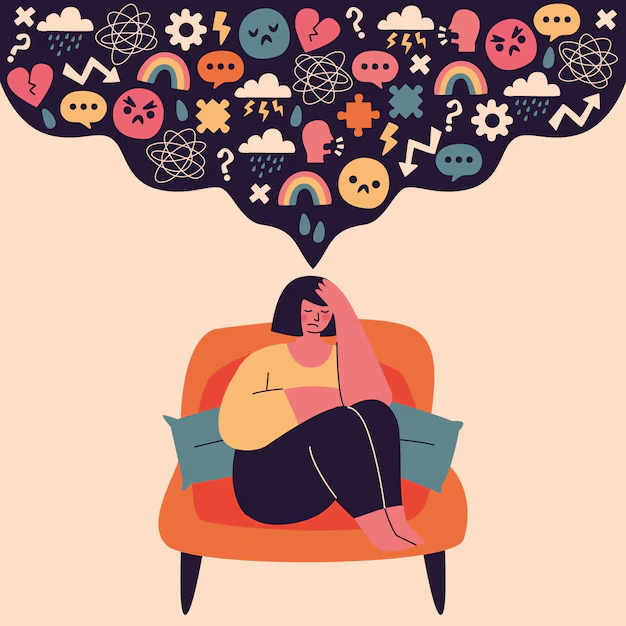
Perhaps you’ve heard these words. Perhaps you’ve said them to someone else, hoping to make them feel better. Either way, they reveal something important: we often try to understand another person’s mental health through what we think it should look like.
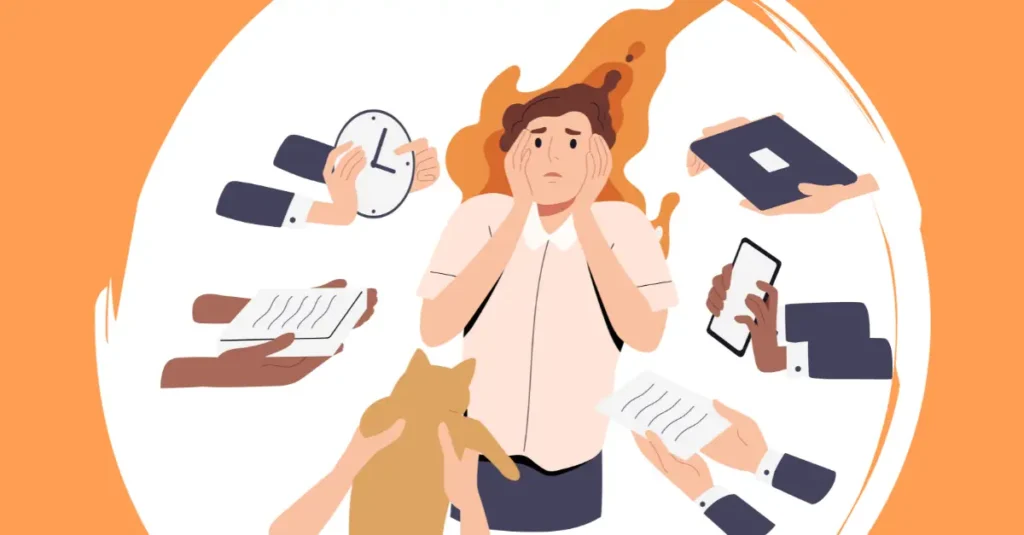
But distress doesn’t always look like sadness. Anxiety doesn’t always look like panic. And someone managing their responsibilities doesn’t necessarily mean they’re doing well.
This World Mental Health Day 2026, the focus is on “Lived experiences heard: real voices, real change.” It asks us to look beyond diagnoses and assumptions, listen to people who experience mental health difficulties firsthand, and recognise that their voices deserve to shape the support they receive.
Because sometimes, what someone needs most isn’t an explanation of what they’re feeling. It’s the feeling that they can talk about it without having to prove that it matters.

What Is Mental Health?
When we talk about mental health, we often think about mental health conditions or the moments when things become difficult to manage. But mental health is a part of our everyday lives. It shapes how we understand our emotions, deal with stress, respond to challenges, build relationships, and see ourselves. It also influences how we cope when things don’t go the way we hoped they would. And no, having good mental health doesn’t mean being happy all the time or having everything figured out. It means being able to recognise what we’re feeling, navigate life’s ups and downs, and seek support when we need it. This World Mental Health Day 2026, it’s important to remember that mental health isn’t something we should pay attention to only when we’re struggling. It’s something we all experience, in different ways, every day.
Myths About Mental Health
Sometimes, what makes mental health harder to understand is not the experience itself, but what we believe about it. We make assumptions about how distress should look, how people should cope, and when someone should ask for help. But real experiences are rarely that straightforward. Let’s look at some common myths about mental health that are worth questioning.
– Myth 1: You can tell when someone is struggling.
Someone who is struggling doesn’t always look sad or withdrawn. They may continue working, socialising, laughing, and meeting their responsibilities while dealing with difficult emotions privately.
– Myth 2: People should be able to overcome mental health difficulties by being strong.
If only it were that simple. Emotional distress isn’t always something we can overcome through willpower or positive thinking. Sometimes, understanding what we’re experiencing and getting the right support makes all the difference.
What Is Mental Health?
When we talk about mental health, we often think about mental health conditions or the moments when things become difficult to manage. But mental health is a part of our everyday lives. It shapes how we understand our emotions, deal with stress, respond to challenges, build relationships, and see ourselves. It also influences how we cope when things don’t go the way we hoped they would. And no, having good mental health doesn’t mean being happy all the time or having everything figured out. It means being able to recognise what we’re feeling, navigate life’s ups and downs, and seek support when we need it. This World Mental Health Day 2026, it’s important to remember that mental health isn’t something we should pay attention to only when we’re struggling. It’s something we all experience, in different ways, every day.
Myths About Mental Health
Sometimes, what makes mental health harder to understand is not the experience itself, but what we believe about it. We make assumptions about how distress should look, how people should cope, and when someone should ask for help. But real experiences are rarely that straightforward. Let’s look at some common myths about mental health that are worth questioning.
– Myth 1: You can tell when someone is struggling.
Someone who is struggling doesn’t always look sad or withdrawn. They may continue working, socialising, laughing, and meeting their responsibilities while dealing with difficult emotions privately.
– Myth 2: People should be able to overcome mental health difficulties by being strong.
If only it were that simple. Emotional distress isn’t always something we can overcome through willpower or positive thinking. Sometimes, understanding what we’re experiencing and getting the right support makes all the difference.
– Myth 3: Asking for help is a sign of weakness.
Reaching out doesn’t mean you’ve failed to manage your life. It means recognising that you don’t have to figure everything out on your own. Support can help you understand your experiences and find healthier ways to cope.
– Myth 4: Mental health difficulties always need to have a diagnosis to be taken seriously.
You don’t need a clinical diagnosis to acknowledge that something is affecting your well-being. Feeling overwhelmed, emotionally exhausted, or unable to cope deserves attention, even when there’s no specific label for what you’re experiencing.
– Myth 5: Everyone experiences mental health difficulties in the same way.
Two people can go through similar situations and respond very differently. What feels manageable to one person may feel overwhelming to another, and neither experience is less valid because of that.
This World Mental Health Day 2026, questioning these myths is a small but meaningful step towards understanding mental health more honestly. When we stop assuming we know what someone is feeling, we make more room to listen to what they’re actually experiencing.
Beyond Diagnoses: Every Experience Is Different
This World Mental Health Day 2026, let’s look beyond diagnoses and understand the many ways mental health difficulties can show up in our lives. Imagine two people experiencing anxiety. One avoids crowded places and struggles to speak in unfamiliar settings. The other appears confident, performs well at work, and socialises regularly, but spends hours replaying conversations and worrying about making mistakes.
Now imagine two people experiencing depression. One withdraws from everyone. The other stays busy, meets every deadline, and continues caring for others because slowing down feels unbearable.
Their experiences may look different, but neither person’s struggle is automatically less real.
Our mental health is shaped by our personal histories, relationships, circumstances, coping strategies, and the meaning we attach to what happens to us. Even people raised in the same family can experience the same expectations very differently. One may feel motivated by achievement; another may feel that they are never doing enough.
This is why comparing pain rarely helps. Statements such as “Other people have it worse” or “But you were laughing yesterday” assume that distress must be visible, constant, or proportional to someone’s circumstances.
It isn’t that we should stop trying to understand one another. It’s that we need to stop assuming we already do.
World Mental Health Day 2026 reminds us that a diagnosis can offer useful information, but it cannot tell us everything about the person living with it. Behind every label is an individual with their own story, needs, fears, and ways of coping.
We don’t have to experience the same pain to take someone else’s pain seriously.
Listening Is More Than Hearing
This World Mental Health Day 2026, let’s explore what it truly means to listen to someone’s lived experience. Most of us believe we listen to the people we care about. But when someone opens up, what do we actually do?
We offer solutions. We share our own experiences. We remind them of everything they should be grateful for. Sometimes, we tell them to stop overthinking because we want them to feel better.
These responses often come from good intentions. Watching someone struggle can make us uncomfortable, and fixing the problem feels easier than sitting with their pain.
But consider the difference between hearing “I’m exhausted” and asking, “What has been exhausting you lately?”
One responds to the words. The other makes room for the person.
Listening means being curious without interrogating, allowing someone to finish without preparing your response, and resisting the urge to turn every difficult feeling into a problem that needs immediate fixing.
It also means accepting that someone else’s experience may not make complete sense to you. You can ask questions, seek to understand, and still acknowledge their feelings without agreeing with every interpretation they make.
The theme of World Mental Health Day 2026 extends this principle beyond everyday conversations. The World Health Organization calls for people with lived experience of mental health conditions to be meaningfully involved in shaping mental health policies, services, and decisions.
It is not enough to invite people to tell their stories if their voices have no influence on what happens next. Listening must lead to meaningful participation and change.
And that principle applies in our personal lives, too. When someone trusts us enough to share what they are experiencing, how we respond can influence whether they feel safe enough to speak again.
If Someone Is Struggling, How Can You Listen Better?
This World Mental Health Day 2026, let’s understand how each of us can support someone who is struggling, without needing to be a psychologist or have all the answers. You don’t need to be a psychologist to offer someone a more understanding conversation. You simply need to be willing to listen without making their experience about your assumptions.
1. Ask Before You Offer Advice
When someone opens up, try not to jump straight into solutions.
Instead of saying, “You should just stop worrying,” ask, “Do you want to talk about what’s been worrying you?”
Sometimes people want advice. Sometimes they want help figuring out what to do. And sometimes, they simply need to say something out loud without being told how to fix it.
Listen to understand before listening to respond. This is one of the most meaningful ways to put the message of World Mental Health Day 2026 into practice.
2. Don’t Compare Their Experience With Yours
Even if you’ve experienced something similar, your response may not be the same as theirs.
Avoid statements such as “I went through that, and I was fine” or “Other people have bigger problems.” These comparisons can make people feel that they need to defend their emotions rather than explore them.
You can share your experience if it is helpful, but don’t use it as the standard against which theirs must be measured.
3. Validate Their Feelings Without Assuming You Know Everything
You don’t have to agree with every thought someone expresses to acknowledge what they’re feeling.
Try saying:
- “That sounds really difficult.”
- “I hadn’t realised you were dealing with that.”
- “Thank you for telling me.”
- “Would you like to tell me more?”
Avoid assuming that someone is fine because they’re smiling, working, studying, or showing up for others. Equally, don’t assume you know what they need simply because you recognise a few signs.
4. Check In After the Conversation
Listening doesn’t end when the conversation does.
A simple message a few days later, “Hey, how have you been feeling since we last spoke?”—can show someone that you meant what you said.
If their distress is persistent or affecting their everyday life, gently encourage professional support. You can help them explore options without pressuring them to share more than they are comfortable with.
Most importantly, remember that supporting someone does not mean becoming their therapist or being solely responsible for their well-being. You can care deeply and still recognise when additional support is needed.
These small actions reflect the larger message of World Mental Health Day 2026: listening matters when it helps people feel understood and leads to better support.
If You’re the One Struggling, Where Can You Begin?
Listening matters, but so does learning to recognise and respond to our own needs. If you’re struggling, you don’t need to have everything figured out before taking a first step.
1. Practise Mindfulness: Make Space for the Present
When your mind is caught between everything that has happened and everything that might happen, it can be difficult to feel grounded.
Mindfulness can help you notice your thoughts and emotions without immediately judging or reacting to them. You don’t have to empty your mind or force yourself to feel calm. Even a few moments of paying attention to your breathing or surroundings can be a starting point.
2. Start Journaling: Put Your Thoughts Into Words
Sometimes, you know something is bothering you but cannot quite explain what it is. Writing can help you explore those feelings.
Try asking yourself: What has been weighing on me lately? What am I finding difficult to say out loud? What do I wish someone understood about me?
Your journal doesn’t need to be beautifully written or perfectly organised. It is a space where you can be honest with yourself.
3. Recognise Your Emotional Needs
Feeling overwhelmed may be connected to something specific: feeling unheard, struggling to set boundaries, fearing disappointment, or constantly trying to meet other people’s expectations.
Notice recurring patterns and ask yourself what might help. Perhaps you need rest, a difficult conversation, more support, or the ability to say no.
Self-awareness won’t solve every problem, but it can help you understand what you’re experiencing rather than treating every difficult feeling as something to suppress.
4. Seek Professional Support When You Need It
You don’t have to wait until things become unbearable to ask for help.
If distress persists, affects your everyday life, or feels difficult to manage, a qualified mental health professional can help you understand what you’re experiencing and explore appropriate support.
In India, you can also access services like:
- Tele-MANAS: Call 14416 for free, 24/7 mental health support.
Seeking help isn’t a declaration of failure. It is a way of taking your well-being seriously. And as World Mental Health Day 2026 reminds us, mental health support should be accessible, compassionate, and responsive to people’s actual experiences.
From Awareness to Real Change
This World Mental Health Day 2026, like every year, conversations about mental health remind us that emotional well-being matters. But awareness becomes meaningful when it changes how we treat people and how we design the support they receive.
It changes when families ask questions instead of making assumptions. When colleges take students’ distress seriously rather than treating exhaustion as the price of ambition. When workplaces recognise that people cannot be endlessly productive. And when mental health services involve the people who use them in deciding what better care should look like.
It also means recognising that not everyone wants to share their story publicly. People should not have to reveal their most painful experiences to prove that their needs matter. Some are still trying to understand what they feel; others may never want to discuss their experiences beyond a trusted circle. Their choices deserve respect, too.
World Mental Health Day 2026 asks us to move beyond listening as a symbolic gesture. Real change happens when people’s experiences influence decisions, improve support, and challenge the assumptions that prevent people from being understood.
We may not always know the right thing to say. We may not fully understand what someone is going through. But we can choose not to dismiss what we don’t understand.
Perhaps that is where meaningful change begins: not with having the perfect response, but with making enough room for someone to tell the truth about how they feel.
Because beyond diagnoses, symptoms, and statistics, there are people trying to make sense of their own lives.
World Mental Health Day 2026 is an opportunity to remember that listening is not a passive act. It is a choice to make room for experiences different from our own, to learn rather than assume, and to let people’s voices shape the support they deserve.
Listen to understand. Make space for experiences different from your own. And when someone trusts you enough to tell you what they’re going through, remember that you don’t have to know exactly what to say to help them feel less alone.
That, too, is real change.
Subscribe to PsychUniverse
Get the latest updates and insights.
Join 3,085 other subscribers!
Niwlikar, B. A. (2026, October 10). World Mental Health Day 2026: Beyond Diagnoses, the Powerful Reality of Lived Experiences. PsychUniverse. https://psychuniverse.com/world-mental-health-day-2026/