Introduction
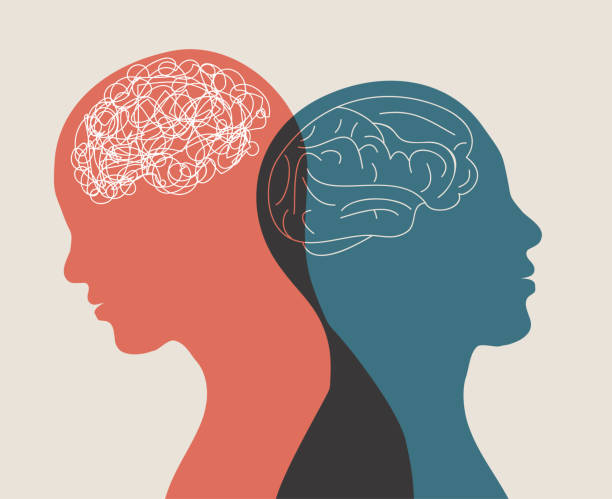
Why do some people recover from hardship while others feel overwhelmed by similar challenges? This ability to adapt, recover, and continue functioning despite adversity is known as psychological resilience. Importantly, resilience is not the absence of distress; resilient individuals still experience pain, grief, and fear. What distinguishes them is how they respond over time (Southwick et al., 2014).
Read More: Why Teenagers Take Risks
What Is Resilience?
Resilience is best understood as a dynamic process rather than a fixed trait. Resilient people emerges from interactions between biological predispositions, psychological skills, social relationships, and environmental resources. A person may show resilience in one area of life while struggling in another, and resilience can change across the lifespan (APA, 2020).
Factors That Influence Resilience
Some factors that influence resilience include:
1. Biology and genetics
Genetic factors influence emotional reactivity, stress hormone regulation, and temperament. Variations in neurotransmitter systems and stress-response pathways can affect how strongly someone reacts to adversity and how quickly they recover (Feder et al., 2019).
2. Early life experiences
Secure attachment and supportive caregiving foster emotion regulation and coping skills. Adverse childhood experiences increase vulnerability, but resilience can still develop later through corrective relationships and therapy (Masten, 2014).
3. Cognitive flexibility and emotion regulation
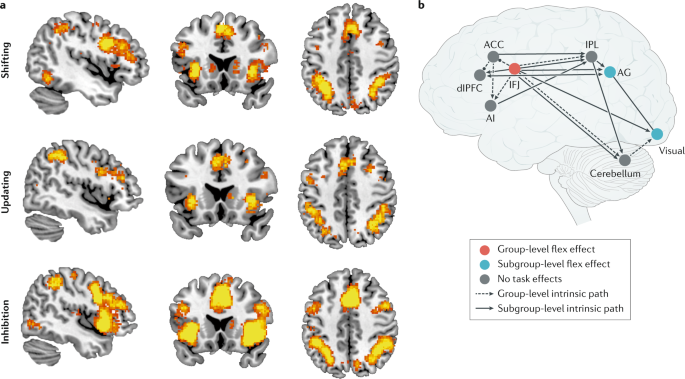
Resilient individuals tend to reframe challenges, tolerate uncertainty, and regulate emotions effectively. Cognitive behavioral skills such as realistic optimism and problem-solving are strongly associated with adaptive coping (Southwick et al., 2014).
4. Social support
Consistent evidence shows that supportive relationships are among the strongest predictors of resilience. Social connection buffers stress responses and promotes recovery following trauma or loss (Ozbay et al., 2007).
5. Meaning and purpose
A sense of meaning—derived from values, relationships, spirituality, or goals—helps individuals contextualize suffering and persist through adversity. Meaning-making has been linked to psychological growth after trauma (Park, 2010).
6. Socioeconomic and cultural context
Resilience does not occur in a vacuum. Poverty, discrimination, and lack of access to healthcare increase chronic stress and reduce opportunities for recovery. Structural supports play a critical role in population-level resilience (APA, 2020).
Can Resilience Be Learned?
Research suggests that resilience can be strengthened. Interventions teaching coping skills, stress management, cognitive restructuring, and social connection show small to moderate improvements in resilience and mental health outcomes (Joyce et al., 2018). While no intervention eliminates stress, many improve recovery and functioning.
Practical Ways to Build Resilience
- Strengthen social connections
- Practice cognitive reframing
- Learn emotion regulation strategies (e.g., mindfulness, breathing)
- Clarify personal values and purpose
- Maintain physical health (sleep, movement, nutrition)
- Develop problem-solving skills
Multicomponent approaches are generally more effective than single techniques (Joyce et al., 2018).
What Resilience Is Not
Resilience is not toxic positivity, emotional suppression, or endurance at any cost. Acknowledging pain and seeking support are compatible with resilience. Framing resilience as solely an individual responsibility ignores systemic factors that shape stress exposure and recovery.
Conclusion
Resilience reflects the interplay of biology, psychology, relationships, and environment. While individuals can strengthen resilience through skills and support, communities and policies also play a crucial role. Understanding resilience as a process—rather than a personal virtue—allows for more compassionate and effective approaches to mental health.
References
American Psychiatric Association. (2020). Building resilience.
Feder, A., Fred-Torres, S., Southwick, S. M., & Charney, D. S. (2019). The biology of human resilience. Annual Review of Neuroscience, 42, 1–21.
Joyce, S., Shand, F., Tighe, J., Laurent, S. J., Bryant, R. A., & Harvey, S. B. (2018). Road to resilience: A systematic review and meta-analysis of resilience training programmes. Journal of Occupational Health Psychology, 23(4), 439–458.
Masten, A. S. (2014). Ordinary magic: Resilience in development. Guilford Press.
Ozbay, F., Johnson, D. C., Dimoulas, E., Morgan, C. A., Charney, D., & Southwick, S. (2007). Social support and resilience to stress. Psychiatry, 4(5), 35–40.
Park, C. L. (2010). Making sense of the meaning literature. Psychological Bulletin, 136(2), 257–301.
Southwick, S. M., Bonanno, G. A., Masten, A. S., Panter-Brick, C., & Yehuda, R. (2014). Resilience definitions, theory, and challenges. European Journal of Psychotraumatology, 5(1).
Subscribe to PsychUniverse
Get the latest updates and insights.
Join 3,036 other subscribers!
Niwlikar, B. A. (2025, December 21). 6 Powerful Reasons Why Some People Are More Resilient Than Others. PsychUniverse. https://psychuniverse.com/some-people-are-more-resilient-than-others/