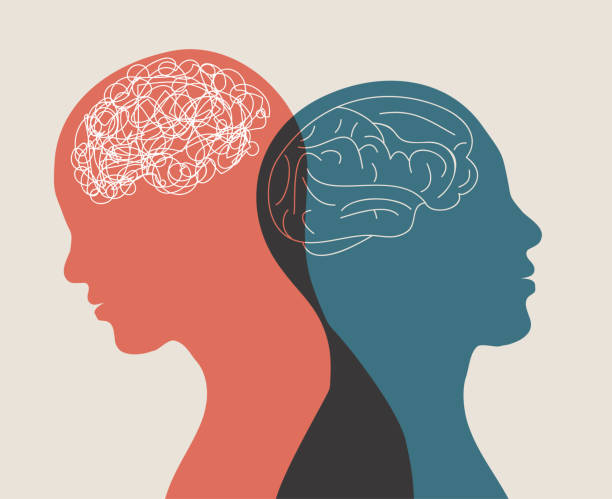
For decades, Attention-Deficit/Hyperactivity Disorder (ADHD) was framed almost exclusively as a childhood condition—typically imagined as hyperactive schoolboys bouncing around classrooms. Today, that stereotype has virtually collapsed. Adult ADHD diagnoses have surged across countries, age groups, genders, and socioeconomic levels. Telehealth clinics report month-long waitlists, social media is saturated with ADHD narratives, and psychological researchers have placed unprecedented attention on the adult manifestation of the condition.

This rise is not a sudden epidemic of ADHD. Rather, it reflects a dramatic shift in how we understand human neurobiology, developmental psychology, gender, and mental health. Adults who were overlooked for years—or decades—are finally getting language for lifelong struggles. But what explains this rapid transformation? Why is adult ADHD being recognized now more than ever?
Below is a comprehensive exploration of the scientific, cultural, and diagnostic factors that contribute to the rise in adult ADHD diagnoses.
Read More: Sleep and Mental Health
1. A More Accurate Understanding of What ADHD Actually Looks Like
Historically, ADHD was defined by external hyperactive behavior—fidgeting, impulsivity, disruptive energy. But modern research has shown that ADHD is fundamentally a neurodevelopmental disorder of executive functioning, not a behavior disorder. Many adults with ADHD aren’t outwardly hyperactive; instead, they experience:
- Chronic procrastination
- Difficulty prioritizing
- Time blindness
- Task initiation struggles
- Emotional impulsivity
- Difficulty regulating focus
- Sensory overwhelm
- Forgetfulness and disorganization
These internalized symptoms fit poorly with old stereotypes, so they were frequently missed.
Russell Barkley (2015) emphasized that ADHD persists into adulthood in the vast majority of individuals—symptoms merely change form. Physical restlessness often evolves into mental restlessness. Hyperactivity becomes “overthinking” or “constant tension.” Children who were once dismissed as daydreamers may become adults who struggle to begin tasks or maintain productivity.
As scientific understanding expanded, more clinicians became trained to recognize these subtler adult symptoms, opening the door to diagnoses for people who had silently coped for years.
2. The Criteria Themselves Changed (DSM-5)
The publication of the DSM-5 (American Psychiatric Association, 2013) represented a major shift in adult ADHD diagnosis. Key changes included:
- Lowering the number of symptoms required for adults
- Extending the age-of-onset requirement from 7 to 12
- Clarifying how ADHD appears in adults
- Acknowledging that symptoms can manifest differently over time
Before the DSM-5, many adults did not qualify for a diagnosis simply because they could not prove symptoms before age 7—a nearly impossible task for millions who grew up in households without medical documentation.
The revised criteria recognized the complexity and variability of developmental patterns across the lifespan. For the first time, adults with consistent symptoms were no longer disqualified by outdated frameworks.
3. Previous Generations Were Simply Missed, Especially Women
A major contributor to the rise in adult diagnoses is the simple fact that today’s adults grew up during decades of extraordinarily poor ADHD awareness. Many of them were:
- labeled “lazy”
- told they were “unmotivated”
- punished for forgetfulness
- misunderstood as anxious or depressed
- praised for being “quiet,” masking severe executive dysfunction
Research shows that women and girls were—and often still are—dramatically underdiagnosed (Hinshaw, 2018). They tend to show inattentive symptoms rather than disruptive behavior, so their struggles were dismissed or attributed to personality traits like sensitivity or disorganization.
Entire generations of women were missed by childhood screening.
For many adults, modern diagnosis is not a new condition—it is a long-overdue explanation.
4. Adult Life Demands Expose Hidden ADHD Symptoms
Even when ADHD is present from childhood, symptoms may not become disabling until adulthood brings:
- managing bills
- navigating careers
- maintaining relationships
- parenting
- multitasking
- structuring daily routines
During youth, structure is often imposed externally.
School follows a schedule. Parents help with organization. Teachers give constant reminders. Many people with ADHD excel academically during childhood, especially if they have high intelligence or access to support.
But adulthood removes the scaffolding.
Research from Kessler et al. (2006) notes that executive-function demands increase dramatically after age 18, exposing difficulties that were previously compensated for. As responsibilities multiply, ADHD becomes more noticeable, prompting adults to seek evaluations.
5. Increased Mental-Health Awareness and Reduced Stigma
The past decade has witnessed a cultural transformation around mental health. Concepts like:
- neurodiversity
- executive dysfunction
- emotional dysregulation
- cognitive burnout
- self-regulation
- masking
have entered the mainstream vocabulary.
People aren’t just more comfortable discussing mental health—they’re actively seeking understanding of their inner world.
Social media has played a powerful role. Platforms like TikTok and Instagram contain vast ADHD communities sharing lived experiences. While not a substitute for diagnosis, these spaces help individuals recognize patterns they never had words for.
The stigma surrounding ADHD medication has also declined. Modern discourse acknowledges stimulant medications as life-changing tools rather than moral weaknesses.
6. Burnout Culture Highlights ADHD Struggles
Workplaces today demand sustained focus, rapid task-switching, and extremely high productivity—areas where individuals with ADHD naturally struggle.
Adults with ADHD often experience:
-
chronic stress
-
difficulties with email overload
-
procrastination followed by frantic “cramming”
-
inability to maintain routines
-
underperformance despite intelligence
These struggles can lead to burnout, which many adults initially assume is anxiety or depression. Only later do they discover ADHD as the root issue.
ADHD’s core impairments—working memory, attention regulation, emotional control—make the modern attention economy particularly challenging.
7. Telehealth Has Made Evaluation More Accessible
One of the most practical reasons behind the rise in adult diagnoses is telehealth accessibility. Online assessments offer:
- reduced stigma
- shorter wait times
- remote testing
- more flexible scheduling
- expanded access for rural or disabled adults
Remote clinical interviews have become mainstream, and standardized adult ADHD questionnaires are now widely used with strong validity.
As logistical barriers fall, adults who once felt hesitant or embarrassed now pursue formal evaluation.
8. Diagnosis Provides Answers, Not Excuses
Many adults seek a diagnosis to understand long-standing struggles:
- Why can’t I start tasks?
- Why do I feel overwhelmed by small responsibilities?
- Why do I work twice as hard for average results?
- Why can’t I organize my thoughts?
- Why do I feel like I’m always “behind” in life?
A diagnosis offers clarity, allowing people to access tools such as:
- cognitive-behavioral therapy
- ADHD coaching
- medication
- environmental accommodations
- workplace strategies
The relief of finally understanding lifelong challenges motivates many to seek assessment.
9. Coexisting Conditions Often Mask ADHD
Untreated ADHD frequently co-occurs with:
- anxiety
- depression
- substance use
- low self-esteem
- emotional instability
- relationship conflicts
These conditions often overshadow ADHD. Adults may spend years treating anxiety or depression without realizing ADHD is the underlying cause.
Once clinicians began recognizing these overlaps, ADHD was diagnosed more accurately.
10. ADHD Is Better Understood as Lifelong, Not Childhood-Limited
Earlier theories suggested most children “outgrew” ADHD by adolescence. But modern longitudinal research shows that around 60–80% of children with ADHD continue to have symptoms in adulthood (Barkley, 2015).
This fundamentally shifts the diagnostic landscape. ADHD is recognized not as a childhood disorder but a lifelong neurodevelopmental condition.
Conclusion
The dramatic rise in adult ADHD diagnoses reflects a profound cultural and scientific shift—not a sudden increase in ADHD, but a long-overdue correction.
Adults today grew up in a world where their symptoms were misunderstood, minimized, or mislabeled. Improved diagnostic criteria, expanded awareness, reduced stigma, better access to evaluation, and a deeper understanding of executive functioning now make it possible for millions to finally receive accurate diagnoses.
For these individuals, diagnosis often brings not just treatment—but validation, relief, and the beginning of a more self-compassionate life.
References
American Psychiatric Association. (2013). Diagnostic and Statistical Manual of Mental Disorders (5th ed.).
Barkley, R. A. (2015). Attention-Deficit Hyperactivity Disorder: A Handbook for Diagnosis and Treatment.
Hinshaw, S. P. (2018). Attention deficit hyperactivity disorder (ADHD): Controversy, developmental mechanisms, and multiple levels of analysis. Annual Review of Clinical Psychology.
Kessler, R. C., et al. (2006). The prevalence and correlates of adult ADHD in the United States. American Journal of Psychiatry.
Subscribe to PsychUniverse
Get the latest updates and insights.
Join 3,056 other subscribers!
Niwlikar, B. A. (2025, December 13). 10 Powerful Reasons Why Now So Many ADHD Cases Are Getting Diagnosed. PsychUniverse. https://psychuniverse.com/so-many-adhd-cases/