Introduction
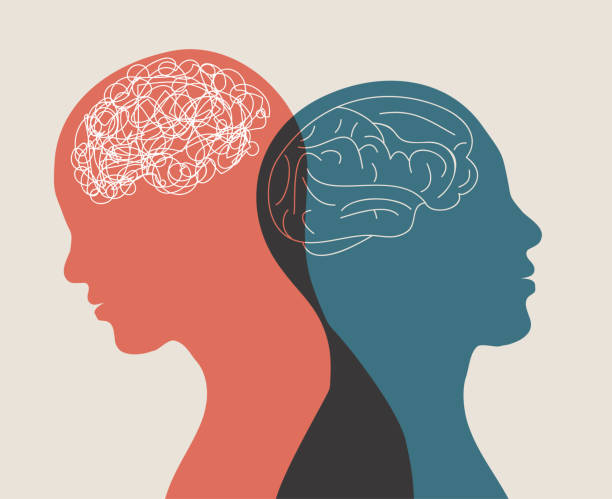
Online dating has transformed how people initiate romantic relationships. What once relied on social circles, chance encounters, or formal matchmaking has shifted toward algorithm-driven platforms where attraction is often determined in seconds. As of recent years, a significant proportion of long-term relationships and marriages begin online, making dating apps and websites a central feature of modern intimacy. Yet behind every swipe, match, or message lies a complex web of psychological processes involving perception, cognition, emotion, and social behavior.
Read More: Ghosting
The Shift from Offline to Online Courtship
Traditional dating relies heavily on context: shared environments, body language, mutual acquaintances, and gradual exposure. Online dating removes many of these cues and replaces them with profiles consisting of photos, short bios, and preferences. As a result, dating decisions become more cognitively driven and less socially constrained.
Psychologists argue that this shift places greater emphasis on rapid impression formation. Humans are already prone to making snap judgments, but online dating amplifies this tendency by encouraging fast decisions based on limited information. Research on thin-slice judgments shows that people often feel confident in these assessments even when accuracy is low (Ambady & Rosenthal, 1992).
1. Self-Presentation and Impression Management
A central psychological process in online dating is self-presentation, the act of controlling how one is perceived by others. According to Goffman’s theory of impression management, individuals present an idealized version of themselves in social interactions. Online dating profiles function as curated performances designed to maximize attractiveness and compatibility.
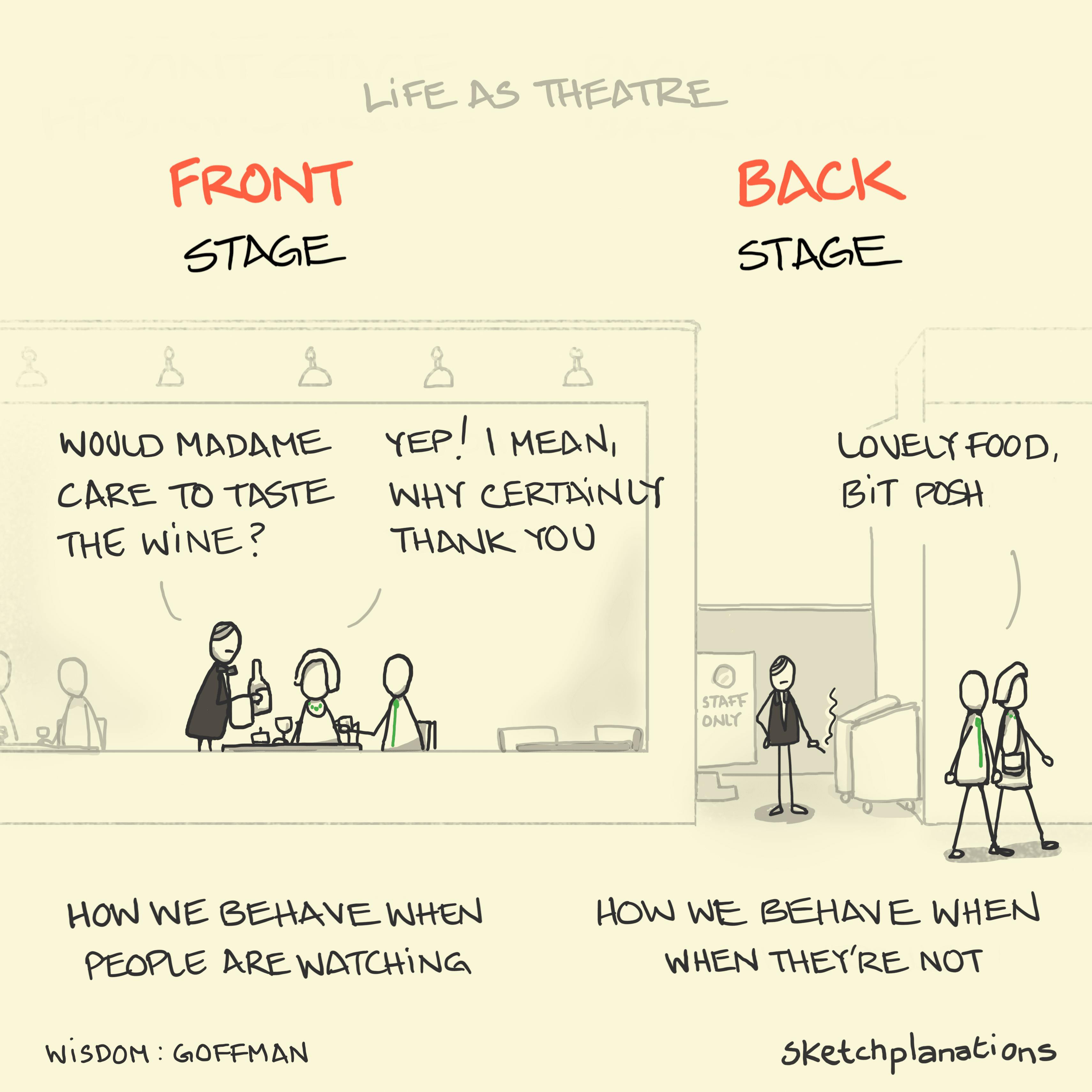
Studies indicate that most users engage in mild self-enhancement rather than outright deception. Common strategies include selecting flattering photos, emphasizing socially desirable traits, and omitting less attractive details. This behavior aligns with interpersonal deception theory, which suggests that people strategically manage information to achieve relational goals (Bullock et al., 2015).
While exaggeration can increase initial interest, research suggests that authenticity plays a key role in long-term success. When online interactions move offline, discrepancies between presented and actual selves can lead to disappointment or mistrust.
2. Visual Attraction and First Impressions
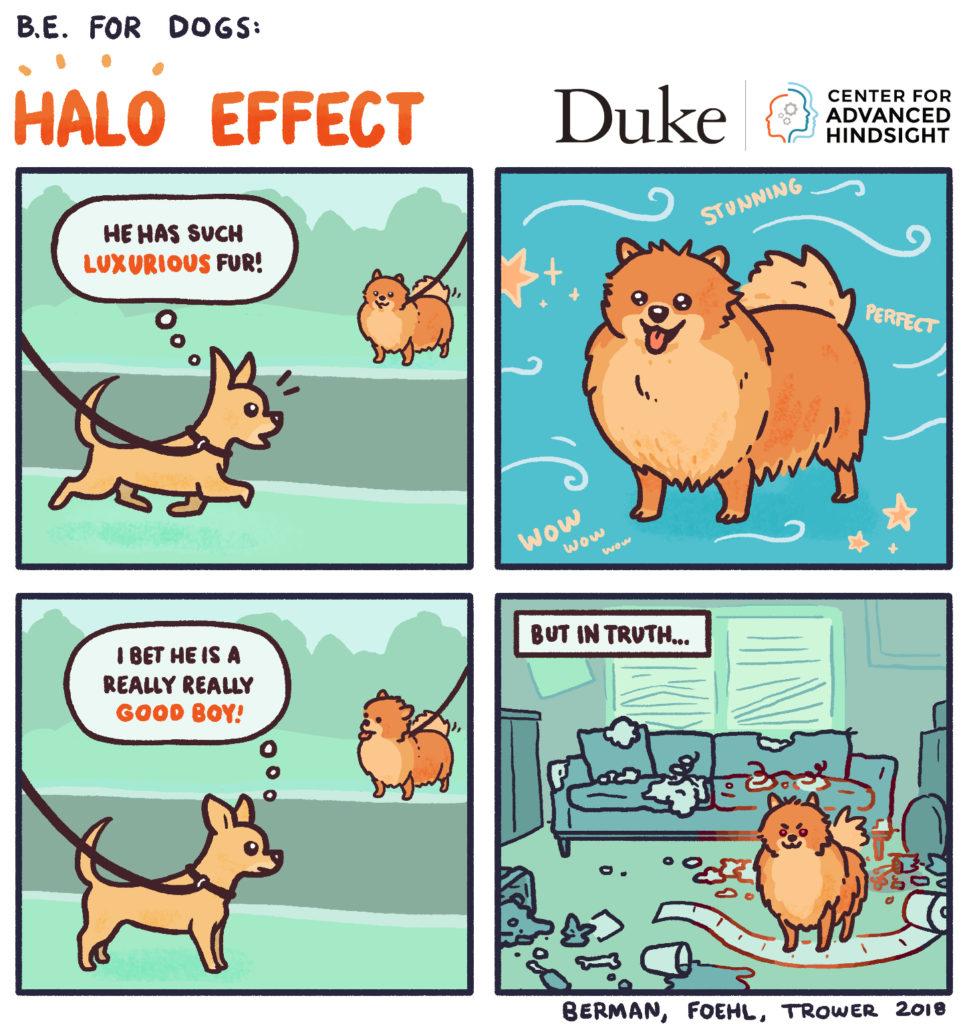
Photos are often the most influential component of a dating profile. Cognitive psychology shows that visual information is processed faster than text, making appearance a primary factor in attraction. The halo effect—a cognitive bias where positive impressions in one area influence overall judgment—means that physically attractive individuals are often perceived as kinder, smarter, or more interesting.
Another relevant phenomenon is the cheerleader effect, where individuals appear more attractive when seen in a group than alone (Walker & Vul, 2014). This helps explain why group photos can subtly boost perceived attractiveness in dating profiles.
However, overreliance on appearance can reduce attention to personality compatibility, potentially undermining relationship satisfaction later on.
3. Algorithms, Matching, and the Illusion of Compatibility
Dating platforms often promote the idea that algorithms can predict romantic compatibility. While algorithms can effectively filter for preferences such as age, location, and interests, psychological research suggests they cannot reliably predict emotional chemistry or relationship success.
One issue is that algorithms may reinforce existing biases by repeatedly presenting similar types of profiles, limiting exposure to diverse partners. Additionally, users often trust algorithmic matches more than their own instincts, a phenomenon known as automation bias.
Research also shows a discrepancy between stated preferences and actual behavior. People may claim to value certain traits, such as kindness or shared values, yet consistently pursue profiles that emphasize attractiveness or status (Torgler et al., 2017). This gap highlights the complexity of human mate selection.
4. The Paradox of Choice and Decision Fatigue
One of the most discussed psychological challenges of online dating is the paradox of choice. While having more options seems beneficial, excessive choice can lead to anxiety, indecision, and reduced satisfaction (Schwartz, 2004).
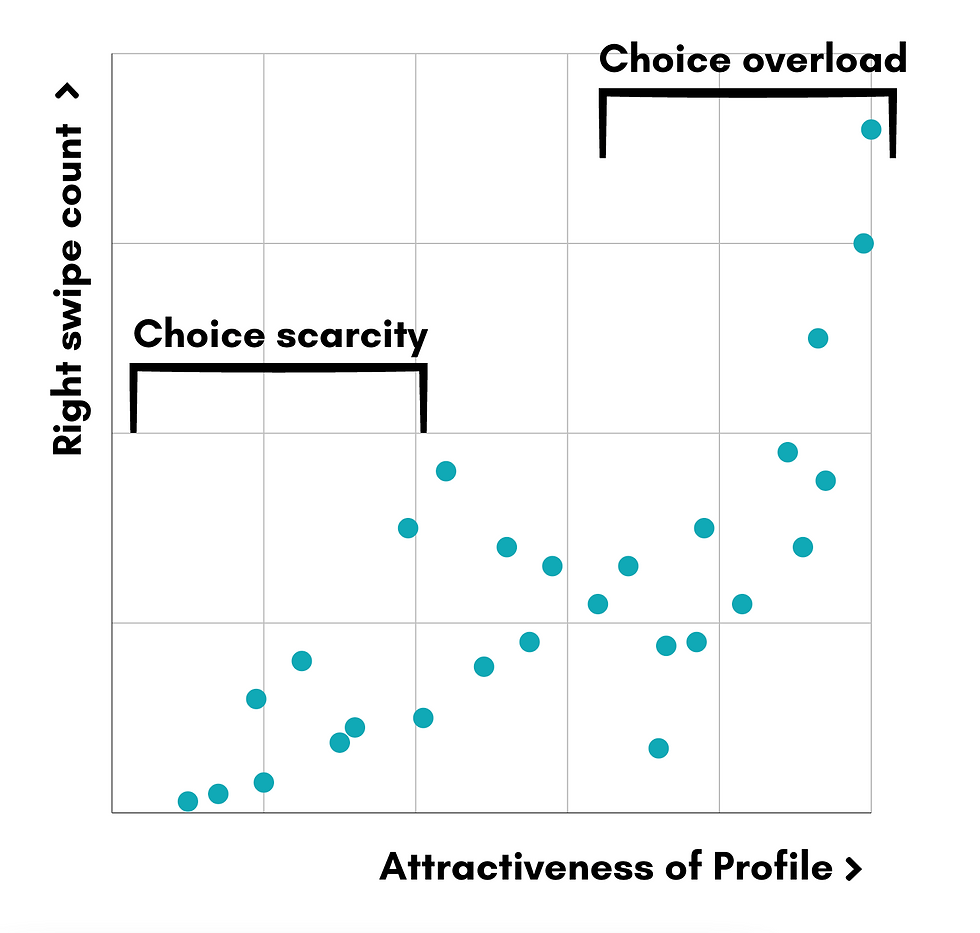
In dating apps, users are often presented with an endless stream of potential partners. This abundance encourages constant comparison and can foster the belief that a better option is always one swipe away. As a result, people may struggle to commit, experience lower satisfaction with matches, and disengage emotionally.
Decision fatigue further compounds this issue. Making repeated judgments about profiles can deplete cognitive resources, leading to more superficial choices and increased rejection behavior over time.
5. Self-Esteem, Validation, and Rejection
Online dating has a profound impact on self-esteem. Matches, likes, and messages act as forms of social validation, triggering dopamine release and reinforcing app use. Conversely, lack of responses or rejection can negatively affect self-worth.
Social comparison theory explains why browsing profiles can be emotionally taxing. Users constantly compare themselves to others, often internalizing perceived inadequacies. Research suggests that frequent app use is associated with body dissatisfaction and lower self-esteem, particularly among younger users.
Importantly, these effects vary widely depending on individual differences such as attachment style, resilience, and motivations for using dating apps.
6. Communication, Self-Disclosure, and Emotional Intimacy
Once a match occurs, communication patterns become critical. Psychological research consistently shows that reciprocity, humor, and personalized messages increase attraction. Generic or copy-and-paste messages are less effective because they signal low investment.
Self-disclosure also plays a key role. According to social penetration theory, gradual sharing of personal information fosters intimacy and trust. Online environments can accelerate this process, sometimes leading to faster emotional bonding than in offline dating.
However, rapid intimacy can also create a false sense of closeness, making rejection feel more intense when interactions end abruptly.
7. Relationship Outcomes and Social Stigma
Despite early skepticism, research indicates that relationships formed online are comparable in quality and longevity to those formed offline. Satisfaction appears to depend more on communication, conflict resolution, and shared values than on the medium through which partners met.
Nonetheless, some social stigma persists. Individuals may feel hesitant to disclose that they met online, fearing judgment. As digital dating becomes increasingly normalized, these attitudes continue to shift.
Conclusion
Online dating is not merely a technological trend; it is a psychological environment that shapes how people perceive themselves and others. By understanding the cognitive biases, emotional dynamics, and social forces at play, individuals can approach online dating more mindfully. Rather than viewing apps as a marketplace of endless options, recognizing the human psychology behind each interaction may lead to more authentic connections and healthier relationships.
References
Ambady, N., & Rosenthal, R. (1992). Thin slices of expressive behavior as predictors of interpersonal consequences. Psychological Bulletin, 111(2), 256–274.
Bullock, M., Ellison, N., & Hancock, J. (2015). Tactics for managing impressions in online dating. Communication Research, 43(2), 234–268.
Schwartz, B. (2004). The paradox of choice: Why more is less. HarperCollins.
Torgler, B., et al. (2017). Preference versus choice in online dating. Journal of Economic Psychology, 60, 28–45.
Walker, D., & Vul, E. (2014). Hierarchical encoding makes individuals in a group seem more attractive. Psychological Science, 25(1), 230–235.
Subscribe to PsychUniverse
Get the latest updates and insights.
Join 3,049 other subscribers!
Niwlikar, B. A. (2025, December 28). The Psychology of Online Dating and 7 Important Ways It Works. PsychUniverse. https://psychuniverse.com/psychology-of-online-dating/