
Introduction
Indian Independence Day is celebrated every year on 15 August s. It is a day full of colour, music, speeches, and Tricolor flags 🇮🇳. But behind all the joy, there is a deep story. On 15 August 1947, India became free from British rule. This was not just a political change; it was a change in how people felt about themselves, their country, and their future.
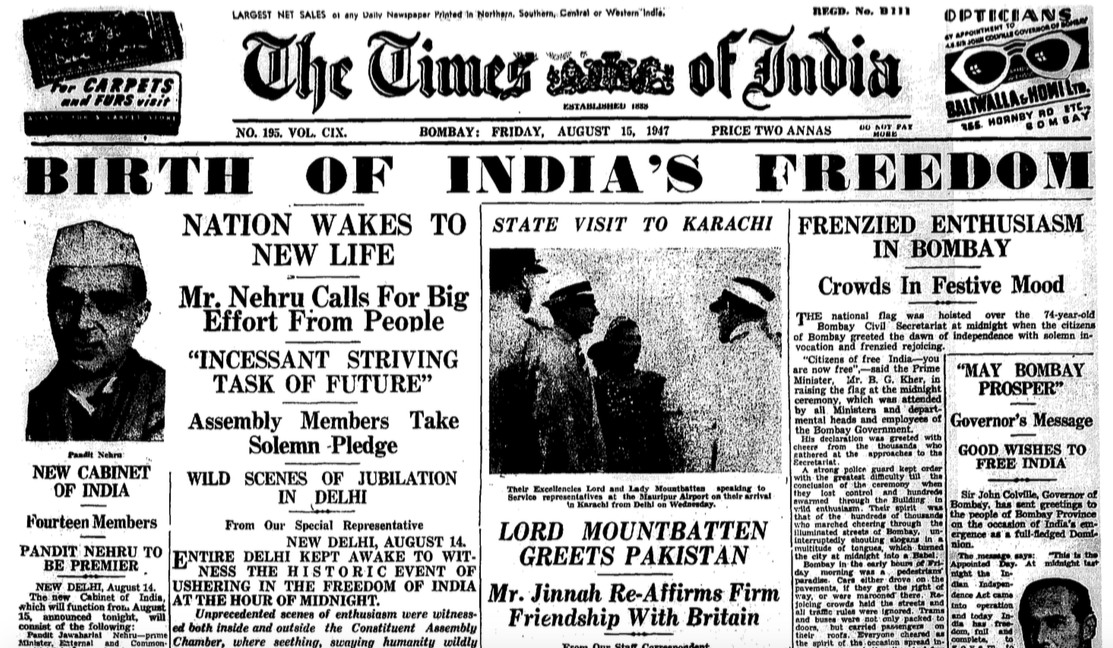
Psychology, which is the scientific study of the mind and behaviour, can help us understand why Independence Day is so important. It explains how this day shapes our national identity, heals old wounds, gives us motivation, and makes us dream of a better future. It also shows how freedom can inspire creativity, resilience, and a stronger sense of belonging.
Psychological Importance of Independence Day
The importance of this day can be understood through various angles:
1. Collective Identity and National Pride
Social Identity Theory says that people get part of their identity from the groups they belong to. These groups can be based on culture, religion, sports teams, or nationality (Tajfel & Turner, 1979). When India celebrates Independence Day, people from all states, religions, and languages feel united as Indians.
This unity is powerful because India is one of the most diverse countries in the world. We speak hundreds of languages, follow different traditions, and have many festivals. Still, on 15 August, millions of people stand together to sing the national anthem. This shared action creates a collective identity and increases national pride.
Research shows that such events can reduce prejudice between different groups because they remind people of what they have in common (Brewer, 2001). Independence Day celebrations act like a bridge, connecting people from different backgrounds into one shared story.
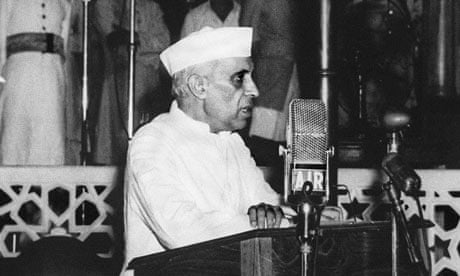
The historical moment when Pandit Jawaharlal Nehru gave his “Tryst with Destiny” speech is a great example. His words were not just political; they were psychological tools that gave people hope, pride, and a sense of belonging. The memory of that speech still works as a “collective memory,” making people feel part of a continuing journey.
2. Post-Colonial Trauma and Healing
Colonialism did not just control land—it controlled minds. Under British rule, many Indians were made to feel inferior. Schools often promoted British culture as better, while Indian traditions were ignored or mocked (Memmi, 1991). This created a kind of psychological trauma, where people lost confidence in their own culture.
When India became independent, it was like a huge emotional release. Psychologists call this restoration of agency—the feeling that you are in control of your life again. Every Independence Day celebration works like a small “therapy session” for the nation, reminding us that we are free to choose our own path.
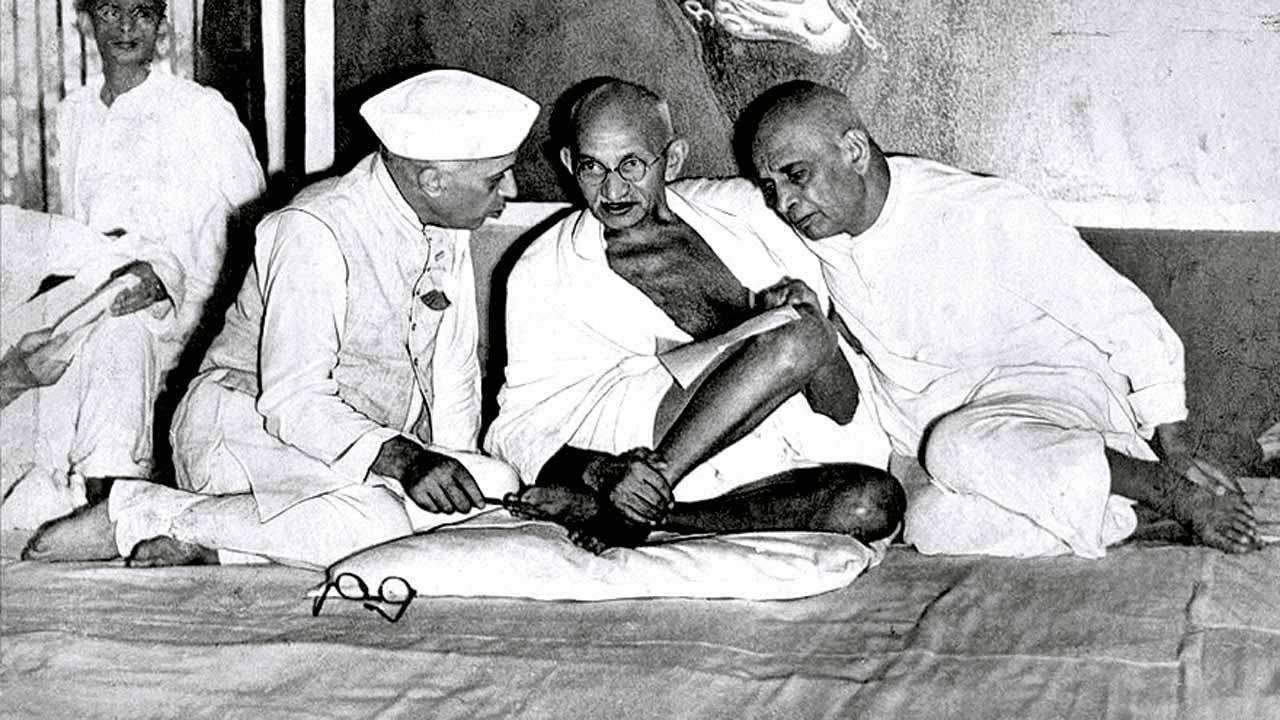
Mahatma Gandhi’s approach to the freedom struggle is important here. His method of non-violence (ahimsa) and truth (satyagraha) required emotional control, patience, and a belief in human dignity. From a psychological point of view, Gandhi showed self-regulation and moral conviction, which inspired millions to believe they could fight oppression without hate.
Healing from post-colonial trauma is a long process. Even today, we still work on improving education, reducing poverty, and restoring cultural pride. But the annual celebration of Independence Day keeps our focus on progress and recovery.
3. Motivation and Hope for Societal Progress
When India became free, it gave the country a new goal: to build a better society. Goal-setting theory in psychology says that clear goals motivate people to work harder (Locke & Latham, 2002). For freedom fighters, the goal was clear—freedom from British rule. For modern India, the goals have expanded: equality, technology, education, and development.
Hope is also an important part of motivation. Psychologist C. R. Snyder (2002) described hope as the belief that we can find ways to reach our goals and stay motivated to follow them. Independence Day renews this hope every year. Speeches by leaders, patriotic songs, and stories of the freedom struggle inspire people to believe that change is possible.
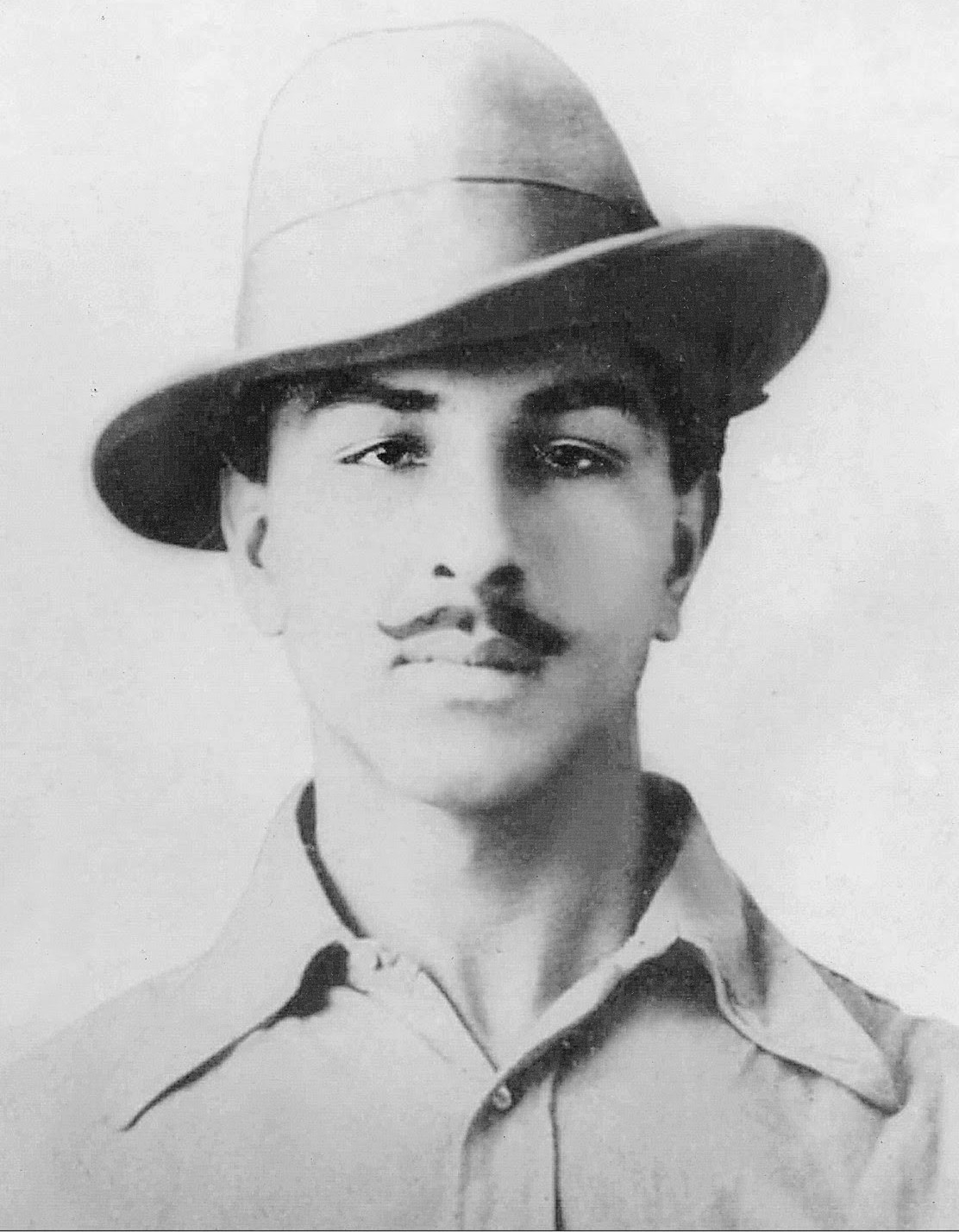
Children learn in schools about the sacrifices of Bhagat Singh, Rani Laxmibai, Sardar Vallabhbhai Patel, and many freedom fighters . These stories give young minds a sense of purpose and other virtues like courage, wisdom etc. Psychologically, such role models increase self-efficacy—the belief that one’s own actions can make a difference (Bandura, 1997).
4. Freedom’s Role in Creativity, Innovation, and Self-Actualization
According to Maslow’s hierarchy of needs, people first need food, safety, and basic comforts before they can focus on higher needs like creativity and self-actualization (Maslow, 1943). Under colonial rule, many Indians struggled just to meet basic physiological and safety needs. Creativity was often restricted because expressing certain ideas could lead to punishment.

After independence, India could focus on higher-level needs- self esteem, self actualization and transcendence. Article 19 of the Indian Constitution guarantees six fundamental freedoms to all citizens. These freedoms include the right to freedom of speech and expression, the right to assemble peaceably, the right to form associations or unions, the right to move freely throughout India, the right to reside and settle in any part of India, and the right to practice any profession or occupation. People were free to express their thoughts ideas, write books, create art, start businesses, and explore science without fear of censorship from foreign rulers. This freedom of expression is linked to higher levels of innovation (Amabile, 1996).
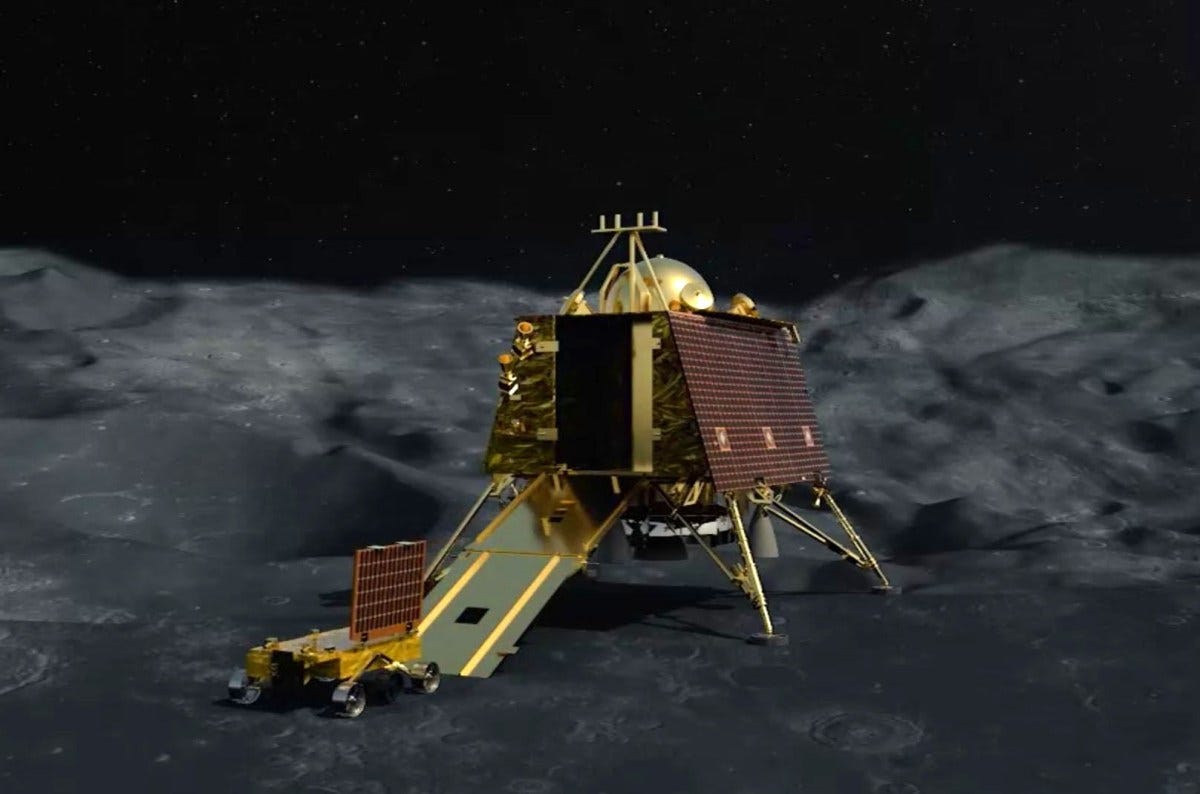
- Chandrayaan 2
We see this in India’s progress in art, science, space research, cinema, literature, and technology. For example, the Indian Space Research Organisation (ISRO) achieved global respect with missions like Chandrayaan and Mangalyaan. In psychology, these achievements reflect the country’s journey toward self-actualization—becoming the best version of itself which is again fundamental duty of Indian citizen.
5. Resilience in the Freedom Struggle
Resilience is the ability to recover from difficulties (Masten, 2001). The Indian freedom struggle is a textbook example of resilience. Freedom fighters faced imprisonment, exile, violence, and even death. Yet, they continued their fight.

Think of Subhas Chandra Bose, who travelled across continents to seek support for India’s independence, or B. R. Ambedkar, who balanced social reform with political leadership. Their ability to keep going despite challenges inspired millions.
This resilience was not only among leaders. Ordinary citizens also showed remarkable endurance. Farmers joined protests, students left schools to participate in movements, and women stepped into public roles that were rare at the time. This collective resilience helped the nation overcome fear and take bold steps toward freedom.
6. Cultural Identity and Generational Change
Independence gave India the freedom to protect and celebrate its cultural diversity. People could speak their own languages, wear traditional clothes, and practice their religions openly. Cultural pride became part of the national identity.
For older generations, Independence Day is a reminder of sacrifices made during the struggle. They may have personal memories of those times or stories from their parents. For younger generations—especially Gen Z—Independence Day may feel more about the opportunities that freedom brings: education, travel, technology, and global participation.
Psychology calls this intergenerational transmission of values. Values like patriotism, respect for diversity, and social responsibility are passed down through families, schools, and media. While the meaning of independence changes over time, the emotional connection remains strong.
7. Cross-Cultural Comparisons
Other countries that have gained independence also show similar psychological patterns—more unity, pride, and a focus on rebuilding (Huntington, 1996). However, India’s case is unique because of its massive diversity and the peaceful approach taken by many leaders.
For example, in some nations, independence was won mainly through wars. In India, while there were violent events, much of the struggle was marked by non-violent civil disobedience. This approach shaped the nation’s psychological character, valuing dialogue and collective action over force.
8. Importance of Independence Day Today
In today’s world, Independence Day is about more than remembering the past. It is about mental freedom—freedom from inequality, poverty, and discrimination. According to Self-Determination Theory, people are happiest when they feel in control of their lives (Ryan & Deci, 2000). True independence means having the power to make choices without fear.
Celebrating Independence Day can also improve mental health. Shared celebrations create positive emotions like joy and pride, which can reduce stress (Fredrickson, 2001). It can also help reduce social divisions by reminding us that we are all part of one nation.
Conclusion
Indian Independence Day is not just a holiday—it is a powerful psychological event. It builds collective identity, heals old wounds, fuels motivation, inspires creativity, teaches resilience, and shapes cultural values. It connects generations, unites diverse communities, and keeps alive the hope for a better future.
From a psychological perspective, Independence Day is a reminder that freedom is not just about political borders. It is about mental strength, dignity, and the right to dream. As the tricolour rises every year, it lifts not only in the sky but also in our minds.
References
Amabile, T. M. (1996). Creativity in context. Westview Press.
Bandura, A. (1997). Self-efficacy: The exercise of control. W. H. Freeman.
Brewer, M. B. (2001). The many faces of social identity: Implications for political psychology. Political Psychology, 22(1), 115–125. https://doi.org/10.1111/0162-895X.00229
Fredrickson, B. L. (2001). The role of positive emotions in positive psychology: The broaden-and-build theory of positive emotions. American Psychologist, 56(3), 218–226. https://doi.org/10.1037/0003-066X.56.3.218
Government of India. (1950). The Constitution of India. Article 19
Huntington, S. P. (1996). The clash of civilizations and the remaking of world order. Simon & Schuster.
Locke, E. A., & Latham, G. P. (2002). Building a practically useful theory of goal setting and task motivation. American Psychologist, 57(9), 705–717. https://doi.org/10.1037/0003-066X.57.9.705
Maslow, A. H. (1943). A theory of human motivation. Psychological Review, 50(4), 370–396. https://doi.org/10.1037/h0054346
Masten, A. S. (2001). Ordinary magic: Resilience processes in development. American Psychologist, 56(3), 227–238. https://doi.org/10.1037/0003-066X.56.3.227
Memmi, A. (1991). The colonizer and the colonized. Beacon Press.
Ryan, R. M., & Deci, E. L. (2000). Self-determination theory and the facilitation of intrinsic motivation, social development, and well-being. American Psychologist, 55(1), 68–78. https://doi.org/10.1037/0003-066X.55.1.68
Snyder, C. R. (2002). Hope theory: Rainbows in the mind. Psychological Inquiry, 13(4), 249–275. https://doi.org/10.1207/S15327965PLI1304_01
Tajfel, H., & Turner, J. C. (1979). An integrative theory of intergroup conflict. In W. G. Austin & S. Worchel (Eds.), The social psychology of intergroup relations (pp. 33–47). Brooks/Cole.
Subscribe to PsychUniverse
Get the latest updates and insights.
Join 3,061 other subscribers!
Niwlikar, B. A. (2025, August 15). Psychology of Independence Day and 8 Reasons Why This Celebration is Important. PsychUniverse. https://psychuniverse.com/psychology-of-independence-day/