
Introduction
Advertising is one of the most pervasive psychological influences in modern life. From social media feeds to billboards, podcasts to product packaging, people are exposed to thousands of persuasive messages daily. While consumers often believe they make rational purchasing decisions, psychological research shows that advertising frequently operates below conscious awareness, shaping attitudes, emotions, and behavior.
Read More: Media and Its Effects
Persuasion as a Psychological Process
Persuasion is fundamentally about influence. According to classic psychological definitions, persuasion involves changing attitudes or behaviors through communication rather than force. Advertising applies persuasion at scale, using psychological principles to influence large audiences.
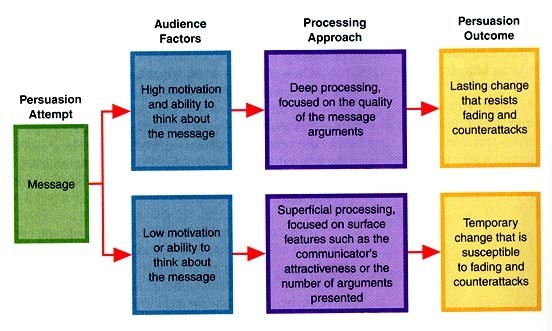
One of the most influential frameworks in persuasion research is the Elaboration Likelihood Model (ELM). This model proposes two routes to persuasion:
- The central route, where individuals carefully evaluate information.
- The peripheral route, where persuasion occurs through cues such as attractiveness, emotions, or authority.
Most advertising relies heavily on the peripheral route because consumers often lack the motivation or time to process information deeply.
Emotional Appeals and Decision-Making
Emotion plays a central role in persuasion. Neuroscience research shows that emotional responses often precede rational thought, meaning people frequently justify decisions after they have already been influenced emotionally.

Advertisers commonly use emotional appeals such as happiness, fear, nostalgia, or belonging. For example:
-
Fear appeals are often used in health campaigns.
-
Nostalgia evokes warmth and trust.
-
Happiness and humor increase brand likability.
According to the affect heuristic, people rely on emotional impressions when making judgments, especially under uncertainty. This explains why emotionally charged advertisements can be more effective than fact-based ones.
Cognitive Biases in Advertising
Advertising exploits numerous cognitive biases:
- Social Proof: People are more likely to adopt behaviors they see others performing. Testimonials, influencer endorsements, and “best-seller” labels leverage this bias.
- Scarcity Principle: Limited-time offers create urgency by triggering fear of missing out (FOMO). Scarcity increases perceived value even when objective value remains unchanged.
- Authority Bias: Consumers are more likely to trust messages from perceived experts, such as doctors or industry professionals.
- Anchoring: Initial prices influence how consumers perceive subsequent prices. “Original price” labels make discounts seem more appealing.
These biases operate automatically, often without conscious awareness, making them powerful tools in marketing.
The Role of Repetition and Familiarity
The mere exposure effect suggests that repeated exposure to a stimulus increases liking. Advertising relies heavily on repetition to build familiarity and trust. Even when consumers do not consciously recall ads, repeated exposure can influence preferences.
This effect explains why brand recognition is so valuable and why companies invest heavily in consistent visual identity and slogans.
Identity, Values, and Self-Concept
Modern advertising increasingly targets identity rather than product utility. Brands position themselves as symbols of lifestyles, values, and social identities. Consumers often choose brands that align with how they see themselves or wish to be seen.
Self-congruity theory suggests that people prefer products consistent with their self-image. This is why advertising often emphasizes values such as sustainability, independence, or success rather than functional features.
Digital Advertising and Behavioral Targeting
Online advertising allows unprecedented personalization. Algorithms track behavior to deliver tailored messages, increasing relevance and effectiveness. However, this raises ethical concerns about manipulation, privacy, and autonomy.

Behavioral targeting can exploit psychological vulnerabilities, reinforcing impulsive buying or unhealthy consumption patterns. Critics argue that such practices blur the line between persuasion and manipulation.
Ethical Considerations in Persuasion
The psychology of advertising raises important ethical questions. While persuasion is not inherently unethical, concerns arise when techniques exploit fear, misinformation, or vulnerable populations.
Psychologists emphasize the importance of informed choice and transparency. As consumers become more aware of persuasive tactics, media literacy becomes a critical skill for resisting undue influence.
Conclusion
Advertising is not simply about selling products; it is about influencing minds. By understanding the psychological principles behind persuasion—emotional appeals, cognitive biases, repetition, and identity—consumers can become more critical and reflective in their decision-making. At the same time, ethical application of these principles can help create communication that informs rather than manipulates.
References
Cialdini, R. B. (2009). Influence: Science and practice (5th ed.). Pearson.
Kahneman, D. (2011). Thinking, fast and slow. Farrar, Straus and Giroux.
Petty, R. E., & Cacioppo, J. T. (1986). Communication and persuasion: Central and peripheral routes to attitude change. Springer.
Zajonc, R. B. (1968). Attitudinal effects of mere exposure. Journal of Personality and Social Psychology, 9(2), 1–27.
Subscribe to PsychUniverse
Get the latest updates and insights.
Join 3,088 other subscribers!
Niwlikar, B. A. (2025, December 29). The Psychology Behind Persuasion and 3 Cognitive Biases in Advertising. PsychUniverse. https://psychuniverse.com/psychology-behind-persuasion-advertising/


Pingback: Cognitieve biases: zo beïnvloeden ze uw SEA-campagnes