Introduction
You’ve worked hard, fought through resistance, reached the finish line. You expected elation. Maybe you got it — briefly. But then a strange emptiness creeps in. Your sense of purpose fades, motivation wanes, you wonder: “What now?” Welcome to the lesser‐known phenomenon of post-achievement depression.
Read More: Sleep and Mental Health
What is Post-Achievement Depression?
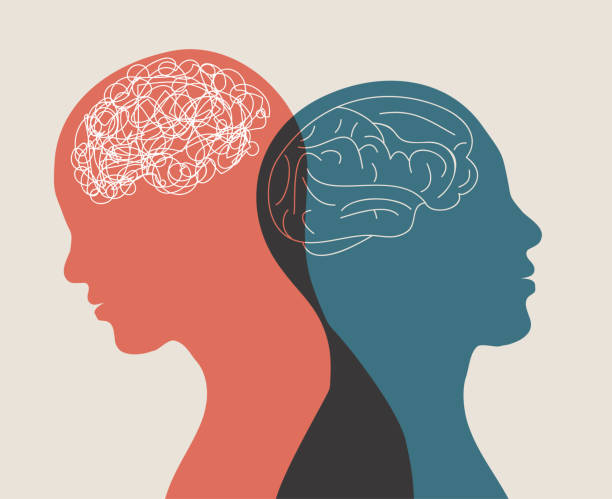
Post-achievement depression is the sense of sadness, emptiness, or lack of motivation that some people experience after reaching a long-sought goal or milestone. Contrary to the public narrative (“I’ll be happy when I reach X”), many find the aftermath anticlimactic. According to Psychology Today, it involves a “sense of purposelessness or sadness after completing a long-standing goal” (Psychology Today, 2024).

While the term isn’t yet a formal diagnostic category, it captures a real emotional slump felt by many achievers: the “arrival fallacy” (the mistaken belief that arriving at a goal will bring lasting happiness) is closely related.
Why Does This Happen?
Several mechanisms underlie post-achievement depression:
1. Dopamine Drop & Loss of Purpose
The journey toward a goal often involves sustained effort, focus, novelty, and reward anticipation. The neurobiology of reward suggests dopamine spikes during goal pursuit and drops once achievement is attained. Once the goal is reached, the external driver disappears; the routine may feel empty and the next “challenge” unclear.
2. Identity Shift & Meaning Loss
Achieving a major goal can trigger an identity change: you’re no longer “aspiring” but “arrived.” That shift may unsettle who you believe you are and what you stand for. With your goal attained, the sense of purpose you had may fade. At the same time, comparative standards remain high: “I achieved X — so why don’t I feel amazing?”
3. Expectation vs. Reality
We often have mental narratives: “If I get X, I’ll feel Y.” When Y (the feeling of elation) doesn’t materialize to the extent expected, we feel disappointment or emptiness. This mismatch contributes significantly (Psychology Today, 2024).
4. External Validation & Social Factors
Sometimes success is heavily dependent on others’ praise or recognition. When that fades (as it usually does), one may feel unmoored. The internal reward may not have kept pace with the external milestone.
5. Stress & Burnout Remnants
For high achievers, the journey itself may have been taxing — long hours, less social life, high standards. Achieving the goal may relieve the “pressure cooker,” but the fatigue, loss of rhythm, or social isolation may linger and deepen sense of listlessness.
Recognising Post-Achievement Depression
Here are signs to watch for:
-
A feeling of emptiness or “what’s next?” after a victory-type event.
-
Loss of motivation: things you used to care about feel hollow.
-
Uncharacteristic restlessness or lethargy despite no major external changes.
-
Self-doubt creeping in: “Maybe achieving X doesn’t mean I’m what I thought I’d be.”
-
A gap between external success and internal satisfaction.
Importantly, this is different from typical depression in that it is specifically linked to an attainment event and a sense of anticlimax — though if untreated, it could morph into more sustained depressive symptoms.
Who is at Risk?
High achievers, perfectionists, people who tie identity tightly to accomplishment, those driven by external validation rather than internal meaning, are more susceptible. The study of achievement motivation found that certain goal orientations (performance-avoidance, mastery-avoidance) positively predicted depression/anxiety. (Ma et al., 2024).
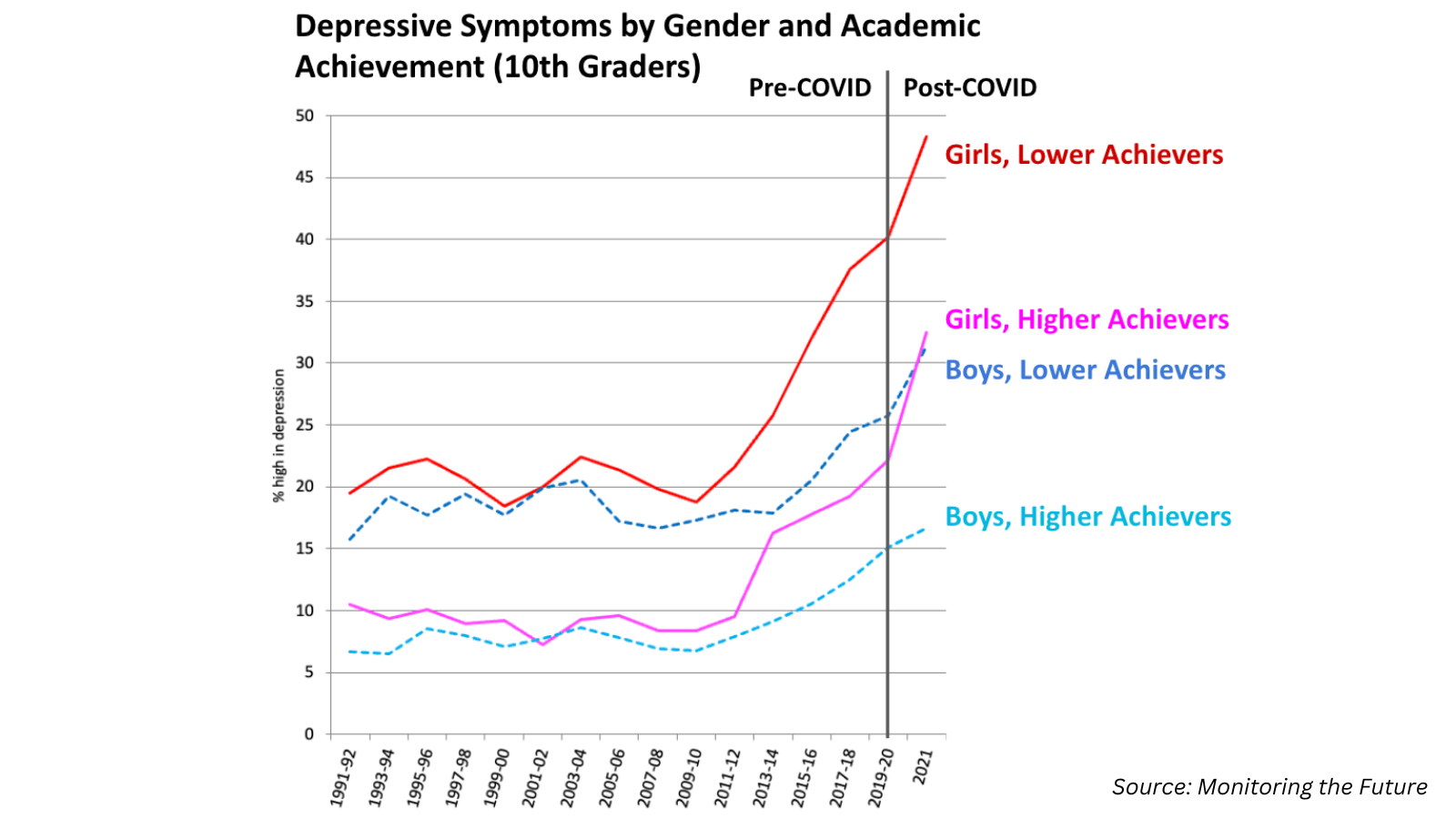
In other words: if you achieve because you must avoid looking incompetent (rather than because you want growth and purpose), you may have invested less in the meaning of the pursuit and more in the milestone — which sets the stage for post-achievement slump.
Coping Strategies & Navigational Tips
Some coping strategies and tips include:
1. Recognise and Normalise It
First step: understand that this feeling is normal, not a sign you messed up. Many people feel anticlimactic after a major success. Validating the feeling helps reduce shame (Psychology Today, 2024).
2. Pause & Reflect
Don’t rush into “What’s next?” immediately. Give yourself space to rest, reflect on the journey, and integrate the experience. Ask: What did I learn? How did I grow? What parts of me changed?
3. Reconnect with Process & Purpose, Not Just Outcome
Shift focus from “I achieved X” to “I followed these values/skills/processes.” Reconnecting with purpose (rather than just outcome) satisfies meaning better. The relationship between life purpose and depression shows that when purpose is high, depression/anxiety are lower (Boreham et al., 2023).
4. Set Micro-Goals & Diversify Identity
Rather than jumping straight into a new mega‐goal, set smaller, meaningful goals that aren’t only about achievement but about growth, connection, creativity or play. Also diversify your identity beyond “the successful X”: maybe you are also a mentor, a friend, a hobbyist.
5. Engage in Community & Share Experience
Talking with others who have been through this (mentors, peers) helps. Feelings of emptiness after success are less strange when you see others have gone through it too.
6. Re-evaluate Standards & Celebrate Differently
Sometimes the standard of success is so high that “good enough” feels insufficient. Re-evaluate what matters. Also, celebrate your achievement in a way you might not have before — allow yourself pleasure without guilt, even if the new high doesn’t feel as big as you expected.
7. Seek Support If Needed
If the emptiness persists, is accompanied by pervasive low mood, inability to function, loss of interest in everything — this may go beyond post‐achievement slump into formal depression. Professional support may be warranted.
Why It Matters in Today’s Culture
In a society that emphasises achievement, success and the next big milestone, the concept of “once I get X I’ll be happy” is pervasive. Yet research shows that arriving at big goals often doesn’t deliver the lasting happiness we expect. Understanding post-achievement depression helps both individuals and organisations: if we recognise the gap between attainment and fulfilment, we can better support transitions, reduce burnout, and design achievement journeys that include meaning, rest, and evolution.
Practical Takeaways
-
Post‐achievement depression is a real phenomenon: when you achieve a long‐sought goal and instead of elation feel emptiness, restlessness or loss of purpose.
-
It happens due to dopamine drop, identity shifts, expectation–reality mismatch, and over-reliance on external validation.
-
You can manage it by validating your feelings, pausing, reconnecting with purpose, setting new micro-goals, diversifying identity, and seeking support.
-
Achievement alone isn’t sufficient for fulfilment: meaning, process, value alignment and next steps matter.
-
If the slump deepens into pervasive depression, don’t hesitate to seek professional help.
If you’re reading this after hitting a big goal — congratulations. And likewise, I want to say: it makes sense you might feel weird right now. You’ve ended one chapter. It’s okay to rest. It’s okay to feel a little lost. It’s okay to ask What’s next for me — beyond the goal?
References
Boreham, I. D., et al. (2023). The relationship between purpose in life and depression and anxiety. Journal of Clinical Psychology.
Ma, M., et al. (2024). Achievement motivation and mental health among medical postgraduate students: The mediating roles of self‐esteem and perceived stress. Frontiers in Psychology, 15.
Subscribe to PsychUniverse
Get the latest updates and insights.
Join 3,049 other subscribers!
Niwlikar, B. A. (2025, December 4). Post-Achievement Depression and 5 Important Reasons Why It Happens. PsychUniverse. https://psychuniverse.com/post-achievement-depression/