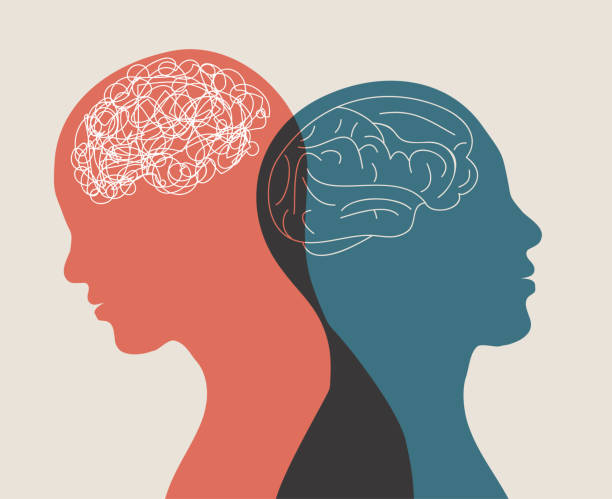
“Just stay positive.”
“Good vibes only.”
“Everything happens for a reason.”
These phrases are often offered with good intentions. In times of stress, illness, grief, or uncertainty, positive thinking is widely promoted as the key to resilience and success. Entire industries—from self-help books to corporate wellness programs—are built on the promise that changing your mindset can change your life.
And sometimes, that’s true.
But psychology has increasingly shown that uncritical or forced positive thinking can backfire, harming emotional health rather than improving it. When positivity becomes a demand rather than a choice, it can invalidate real suffering, suppress healthy emotional processing, and even worsen anxiety or depression.
Read More: Sleep and Mental Health
What Is “Positive Thinking”?
Positive thinking generally refers to the belief that maintaining optimistic thoughts and attitudes leads to better emotional, physical, and life outcomes. It is closely linked to concepts such as optimism, hope, and positive reframing.

In psychology, optimism has been associated with benefits like:
- Better stress coping
- Greater persistence toward goals
- Improved physical health outcomes
- Higher life satisfaction
However, popular culture often distorts positive thinking into something more rigid: the idea that negative emotions are bad, unnecessary, or signs of personal failure.
This rigid form of positivity is sometimes referred to as toxic positivity.
The Rise of Toxic Positivity
Toxic positivity is not the same as optimism. It refers to the excessive and inappropriate insistence on maintaining a positive mindset regardless of circumstances.
Examples include:
- Dismissing someone’s pain with “others have it worse”
- Encouraging happiness instead of acknowledging grief
- Pressuring oneself to “think positive” during trauma or loss
- Avoiding or suppressing anger, sadness, or fear
Psychologists emphasize that emotions—both positive and negative—serve important adaptive functions. Fear signals danger, sadness signals loss, anger signals injustice. Eliminating or denying these emotions does not eliminate their causes.
Instead, it often amplifies distress.
Why Suppressing Negative Emotions Is Harmful
Some ways to suppress negative emotions are:
1. Emotional Suppression Increases Psychological Distress
Research consistently shows that suppressing emotions leads to increased physiological stress and worse mental health outcomes. When people attempt to push away negative thoughts or feelings, those emotions often return more intensely—a phenomenon known as the rebound effect.
Studies on emotional regulation indicate that suppression is associated with:
-
Increased anxiety
-
Higher depressive symptoms
-
Greater physiological arousal (e.g., elevated heart rate)
In contrast, acceptance-based strategies—acknowledging emotions without judgment—are linked to better emotional regulation and psychological flexibility.
2. Positive Thinking Can Increase Self-Blame
When positivity is framed as a moral obligation, people may begin to believe that their suffering is their fault.
For example:
-
If you believe optimism leads to success, failure may feel like personal inadequacy.
-
If happiness is a choice, sadness becomes a personal failure.
-
If mindset determines health, illness can feel deserved.
Research on attribution styles shows that internalizing blame for uncontrollable events increases depression and shame. This is especially harmful for people dealing with chronic illness, trauma, unemployment, or systemic disadvantage.
The Paradox of Positive Thinking
Psychologist Gabriele Oettingen’s research on positive fantasies found that visualizing only positive outcomes can reduce motivation and effort. When people imagine success without acknowledging obstacles, the brain partially experiences the reward in advance—reducing the drive to take action.

This paradox explains why:
- Unrealistic optimism can lead to poor preparation
- Overconfidence can increase risk-taking
- Denial of problems can delay solutions
Balanced thinking—acknowledging both desired outcomes and potential challenges—produces better long-term results.
Positive Thinking and Anxiety
For people with anxiety disorders, forced positivity can be particularly damaging.
Common anxiety experiences include:
- Intrusive thoughts
- Catastrophic thinking
- Hypervigilance
Telling an anxious person to “just think positive” often:
- Invalidates their lived experience
- Increases frustration and shame
- Reinforces the belief that they are broken
Cognitive-behavioral research shows that challenging thoughts is not the same as replacing them with positive ones. Effective therapy focuses on realistic, flexible thinking—not blind optimism.
Depression and the Pressure to Be Positive
Depression is not a lack of gratitude or optimism—it is a complex condition involving mood regulation, cognition, and neurobiology.
When people with depression are told to:
- “Look on the bright side”
- “Be grateful”
- “Choose happiness”
They may experience:
- Increased guilt
- Emotional withdrawal
- Reduced help-seeking behavior
Studies indicate that invalidating responses—even when well-intended—can worsen depressive symptoms by increasing feelings of isolation and misunderstanding.
Cultural and Social Roots of Harmful Positivity
Some ways that it is harmful are:
1. Productivity Culture
Modern productivity culture often treats emotions as obstacles to efficiency. Positivity becomes a tool to:
- Increase output
- Reduce complaints
- Maintain constant performance
This mindset discourages rest, grief, and emotional honesty—key components of psychological health.
2. Social Media and Curated Happiness
Social media amplifies unrealistic positivity by rewarding:
- Smiling faces
- Success narratives
- Motivational slogans
Exposure to constant “highlight reels” can distort expectations of normal emotional life. Research links heavy social media use with increased feelings of inadequacy, loneliness, and emotional comparison.
When Positive Thinking Is Helpful
To be clear: positivity itself is not the enemy.
Psychological research supports benefits of:
- Realistic optimism
- Hope grounded in action
- Gratitude practices
- Meaning-focused coping
The key difference is flexibility.
Healthy positivity:
- Coexists with negative emotions
- Does not deny reality
- Allows space for grief and anger
- Supports problem-solving
A Healthier Alternative: Emotional Acceptance
What Is Emotional Acceptance?
Emotional acceptance involves:
- Recognizing emotions without judgment
- Allowing feelings to exist without suppression
- Responding with curiosity rather than avoidance
Acceptance does not mean resignation. It means starting from reality rather than denial.
Acceptance-based therapies, such as Acceptance and Commitment Therapy (ACT), show strong evidence for reducing anxiety, depression, and stress.
Self-Compassion Over Forced Positivity
Self-compassion research demonstrates that treating oneself with kindness during suffering leads to greater resilience than positive self-talk alone.
Self-compassion includes:
- Acknowledging pain
- Recognizing shared human experience
- Responding with care rather than criticism
Unlike toxic positivity, self-compassion does not demand happiness—it allows healing.
How to Practice Healthy Emotional Balance
Here are evidence-based ways to avoid harmful positivity while supporting mental health:
- Name emotions accurately instead of reframing them immediately
- Validate feelings before seeking solutions
- Practice realistic optimism, not blind hope
- Allow grief, anger, and fear without guilt
- Use gratitude as addition, not replacement, for emotional honesty
Conclusion
Positive thinking becomes harmful when it denies reality, suppresses emotions, or turns suffering into a personal failure. Psychology shows that mental health is not about being positive all the time—it’s about being honest, flexible, and compassionate with ourselves.
True well-being comes not from eliminating negative emotions, but from learning how to relate to them wisely. When positivity makes room for pain instead of silencing it, it becomes a source of strength rather than harm.
References
Gross, J. J. (2015). Emotion regulation: Current status and future prospects. Psychological Inquiry.
Oettingen, G. (2014). Rethinking positive thinking: Inside the new science of motivation. Penguin Press.
Hayes, S. C., Strosahl, K. D., & Wilson, K. G. (2016). Acceptance and Commitment Therapy. Guilford Press.
Neff, K. D. (2011). Self-compassion: The proven power of being kind to yourself. HarperCollins.
Aldao, A., Nolen-Hoeksema, S. (2010). Emotion regulation strategies and psychopathology. Clinical Psychology Review.
Tugade, M. M., Fredrickson, B. L. (2004). Resilient individuals use positive emotions to bounce back from negative emotional experiences. Journal of Personality and Social Psychology.
Subscribe to PsychUniverse
Get the latest updates and insights.
Join 3,048 other subscribers!
Niwlikar, B. A. (2026, January 13). Why “Positive Thinking” Can Sometimes Be Harmful and 5 Ways to Develop Emotional Balance. PsychUniverse. https://psychuniverse.com/positive-thinking-can-sometimes-be-harmful/