How Birth Order Affects Personality
Let’s talk about the injustice.
If you’re the 1st child, you remember every rule. Because let’s be honest, those rules were created because of you.
No going out late.
No arguing back.
No “we’ll see.” It was always a straight no.
You had to think before speaking, act responsibly, make the “right” decisions, and somehow be mature way before your time.
You weren’t just a child. You were basically a second parent in training.
A full-time example. A part-time experiment.
You learned early that mistakes had consequences.
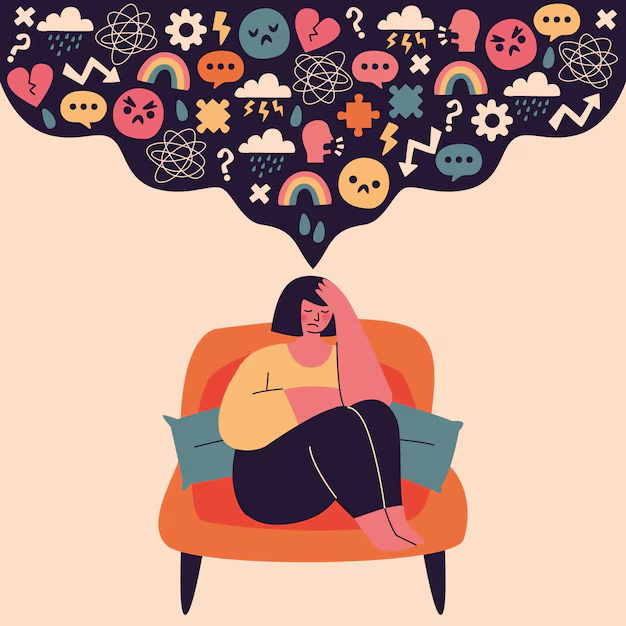
So now you overthink everything.
Every decision. Every word. Every possible outcome.
And then… your younger sibling shows up.
And suddenly your parents are like, “It’s fine. Let them learn.”
Learn? From WHERE?
You weren’t allowed to make mistakes. You had to prevent them.
Meanwhile, the last child is out here making decisions in 2 seconds, messing up, laughing it off, and moving on like nothing happened.
No overthinking. No pressure. No “what if I mess this up.”
Just vibes.
Same house. Same parents. Completely different personalities.
And you’re telling me this is random?
No.
This is exactly how birth order affects personality.

So What Is This “Birth Order” Thing Anyway?
This idea comes from Alfred Adler, who looked at families and realized something very obvious that we all somehow ignore: siblings are not growing up in the same psychological environment.
The theory says your personality is shaped not just by your parents, but by your position in the family. Because each child enters a slightly different version of the same home.
By the time you arrive, things have already changed. Expectations shift. Attention shifts. Even your parents’ personalities shift.
That shift is where how birth order affects personality begins.
The 1st Child: Responsibility Was Not Optional
The 1st child grows up in a house where everything is new.
Parents are figuring things out in real time. They’re more cautious, more alert, and honestly, a little more anxious. Every decision feels important. Every mistake feels like it needs to be corrected immediately.
So naturally, they become more controlling and more involved.
For a while, the 1st child gets all the attention. Then suddenly, that attention has to be shared.
This is where Adler introduced a key concept: dethronement.
The moment a younger sibling arrives, the 1st child is no longer the center of attention. Psychologically, this can feel like a loss of status, even if the child doesn’t consciously understand it that way.
And this is where adaptation begins.
To maintain their importance, the 1st child often becomes:
- more responsible
- more helpful
- more “perfect”
Because that’s what gets approval now.
Over time, this creates patterns.
They become the one who:
- plans
- follows rules
- thinks ahead
But also the one who:
- overthinks
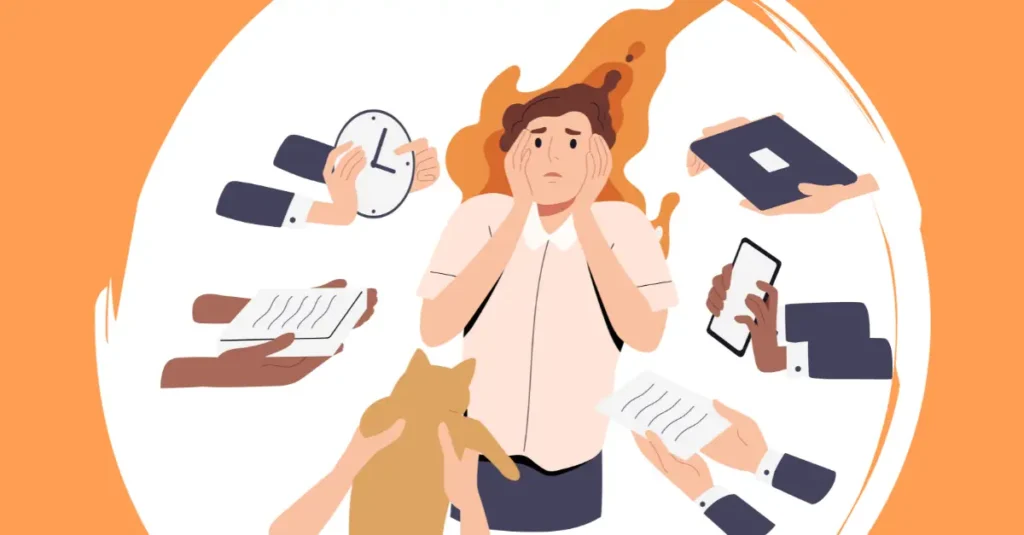
- feels pressure
- struggles to relax
That’s not personality by chance. That’s how birth order affects personality through pressure, expectations, and the psychological impact of dethronement.
The 2nd Child: Finding a Role That Already Exists
Now the 2nd child enters a completely different situation.
They are not the first. The attention is no longer entirely on them. There is already someone who has taken the role of “the responsible one.”
And here’s where psychology gets interesting.
The 2nd child doesn’t just grow up. They compare.
They observe the older sibling and unconsciously think, “That role is taken. I need to be something else.”
This process is called sibling differentiation.
So they adapt. They become more flexible, more social, sometimes more rebellious, sometimes more easygoing.
Not because they randomly decided to.
But because the environment pushed them to.
Also, parents are more experienced now. They’re less anxious, less strict, and a little more relaxed.
So the 2nd child grows up in a space where:
- attention is shared
- expectations are slightly lower
- freedom is slightly higher
Which is exactly how how birth order affects personality shapes them into someone more adaptable and socially aware.
The Last Child: Raised by Experience, Not Fear
Last Children are also a great example of how birth order affects personality because by the time the last child arrives, parenting has… evolved.
Parents are no longer reacting with panic. They’ve seen mistakes happen. They’ve seen that things turn out fine.
So they loosen up.
Rules become softer. Reactions become calmer. There’s less urgency to control everything.
And the last child grows up in that environment.
They don’t associate mistakes with stress. They associate them with learning.
They’ve also watched older siblings make mistakes and survive, which reduces their fear even more.
So they act faster. They take risks. They don’t sit there analyzing every possible outcome.
They just do things.
And somehow… it works out.
That confidence, that ease, that “it’s not that serious” attitude is a direct result of how birth order affects personality through relaxed parenting and observational learning.
The Only Child: All the Pressure, No Backup
An only child grows up without siblings, but that doesn’t mean birth order doesn’t apply.
In fact, it becomes more intense.
They get all the attention, all the expectations, all the investment from their parents.
They spend more time with adults, which often makes them more mature and self-disciplined.
But it also means they feel the pressure more directly.
There’s no one else to share it with.
So they often grow into individuals who are independent and focused, but also very aware of expectations.
Again, a different version of how birth order affects personality, shaped by intensity rather than comparison.
What’s Really Going On Here?
At the core of all of this is one simple psychological idea.
Your brain adapts to your role.
You don’t consciously decide to become “the responsible one” or “the carefree one.”
You become that because it works in your environment.
Your behavior gets reinforced. Your patterns repeat. And over time, those patterns start to feel like your personality.
That’s the real mechanism behind how birth order affects personality.
—
Final Thoughts
So now it makes sense.
Why you overthink everything.
Why your sibling doesn’t.
Why you feel responsible even when you shouldn’t.
It’s not random.
It’s not just “who you are.”
It’s a role you adapted to.
Understanding how birth order affects personality doesn’t just explain your family dynamics.
It explains you.
And the best part?
You can keep the parts that help you… and slowly let go of the ones that don’t.
Subscribe to PsychUniverse
Get the latest updates and insights.
Join 3,050 other subscribers!
Niwlikar, B. A. (2026, March 26). Why the 1st Child Is Responsible and the Last One Is Just Vibing: How Birth Order Affects Personality. PsychUniverse. https://psychuniverse.com/how-birth-order-affects-personality/