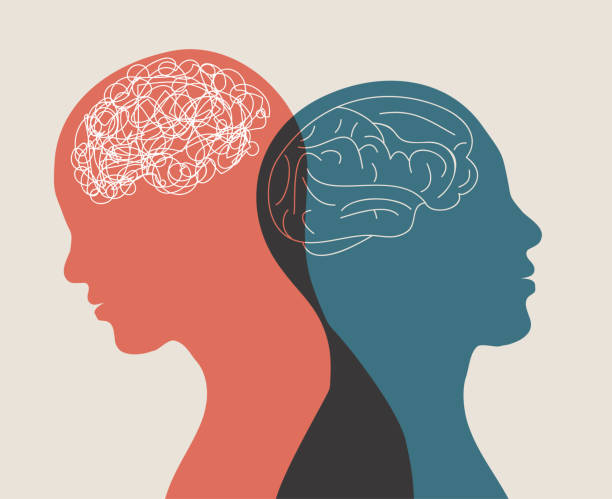
In today’s world, rest has become strangely unsatisfying. People sleep for eight hours, take weekends off, binge-watch shows, scroll endlessly, and still wake up feeling drained. This exhaustion feels confusing—if the body is resting, why does the tiredness persist?
Psychology offers an important insight: not all tiredness comes from physical effort. Much of modern exhaustion is emotional, cognitive, and nervous-system based. Rest that only addresses the body but ignores the mind rarely leads to true recovery.
Read More: Sleep and Mental Health
Physical Rest vs Psychological Recovery
Traditional definitions of resting focus on sleep and physical inactivity. While sleep is essential, research shows that psychological recovery requires more than physical stillness (Sonnentag & Fritz, 2007).
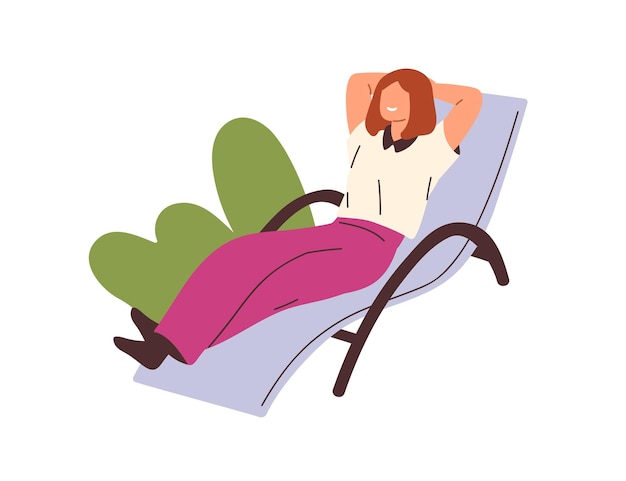
The brain continues to work even when the body stops. Worry, rumination, decision-making, emotional suppression, and anticipatory anxiety all consume mental energy. Neuroscience research demonstrates that sustained cognitive and emotional effort activates stress pathways similar to physical exertion (McEwen, 2007).
This explains why someone can lie in bed all day and still feel exhausted—the nervous system never truly disengages.
1. The Hidden Role of Cognitive Load
Cognitive load refers to the amount of mental effort being used at any given time. Modern life places a constant demand on attention: notifications, choices, responsibilities, comparisons, and future planning.
Unlike physical labor, cognitive labor rarely has a clear endpoint. The mind carries unfinished tasks in the background, a phenomenon explained by the Zeigarnik effect—unfinished tasks remain more mentally active than completed ones (Zeigarnik, 1927).
Even during rest, the brain replays conversations, plans responses, and anticipates problems. This continuous low-level activation leads to mental fatigue, which sleep alone does not resolve.
2. Emotional Labor and Invisible Fatigue
Another overlooked source of exhaustion is emotional labor—the effort involved in managing feelings, expressions, and reactions. This includes staying calm under pressure, being socially pleasant, suppressing frustration, or appearing “fine” when one is not.
Studies show that emotional regulation consumes significant psychological resources, especially when emotions are suppressed rather than processed (Gross, 2015). Over time, this leads to emotional exhaustion, a core component of burnout.
Rest that does not allow emotional expression or release becomes superficial. The body pauses, but the emotional system remains strained.
3. Why Passive Rest Often Fails
Many common forms of “rest” today—scrolling, binge-watching, background noise—are passive but not restorative. While they distract the mind temporarily, they often overstimulate the nervous system instead of calming it.

Research on attentional fatigue shows that true restoration occurs when the brain shifts from directed attention (effortful focus) to soft fascination—gentle, non-demanding engagement such as nature, music, or reflective activities (Kaplan & Kaplan, 1989).
Digital consumption rarely offers this. Instead, it keeps the brain alert, evaluative, and reactive.
4. The Nervous System and Chronic Activation
From a physiological perspective, chronic tiredness is often linked to prolonged activation of the stress response. The sympathetic nervous system—responsible for fight-or-flight—remains active even in moments of rest.
Polyvagal theory suggests that safety, not inactivity, is the key to restoration (Porges, 2011). When the nervous system does not perceive safety, it resists relaxation, regardless of how much time is spent resting.
This is why people experiencing chronic stress, anxiety, or unresolved emotional strain often feel tired but “wired.”
5. The Absence of Psychological Boundaries
Another reason rest feels ineffective is the erosion of boundaries between work, identity, and worth. When productivity becomes tied to self-esteem, rest triggers guilt rather than relief.
Psychological research shows that guilt activates stress responses, undermining recovery (Tangney et al., 2007). In such cases, rest becomes emotionally unsafe—it feels like failure rather than care.
True rest requires permission, not just time.
What Rest Actually Restores Energy?
Restorative rest addresses multiple psychological systems:
- Cognitive rest: reducing decision-making, planning, and problem-solving
- Emotional rest: allowing honest emotional expression without performance
- Social rest: relief from roles, expectations, and constant availability
- Sensory rest: lowering stimulation from screens, noise, and information
Studies show that recovery is most effective when rest aligns with the type of fatigue experienced (Sonnentag & Fritz, 2007).
Rethinking Tiredness
Feeling tired despite resting is not a personal failure—it is feedback. It signals unmet psychological needs rather than a lack of discipline.
Modern exhaustion is not cured by more sleep alone, but by rest that restores safety, meaning, and mental spaciousness. When rest honors the mind as much as the body, energy slowly returns.
References
Gross, J. J. (2015). Emotion regulation: Current status and future prospects. Psychological Inquiry, 26(1), 1–26.
Kaplan, R., & Kaplan, S. (1989). The experience of nature: A psychological perspective. Cambridge University Press.
McEwen, B. S. (2007). Physiology and neurobiology of stress and adaptation. Physiological Reviews, 87(3), 873–904.
Porges, S. W. (2011). The polyvagal theory. Norton.
Sonnentag, S., & Fritz, C. (2007). The recovery experience questionnaire. Journal of Occupational Health Psychology, 12(3), 204–221.
Tangney, J. P., Stuewig, J., & Mashek, D. J. (2007). Moral emotions and moral behavior. Annual Review of Psychology, 58, 345–372.
Zeigarnik, B. (1927). On finished and unfinished tasks. Psychologische Forschung, 9, 1–85.
Subscribe to PsychUniverse
Get the latest updates and insights.
Join 3,049 other subscribers!
Niwlikar, B. A. (2026, January 16). 6 Important Reasons Resting Feels Tiring. PsychUniverse. https://psychuniverse.com/feeling-tired-while-resting/