FAFO Parenting Explained: Why Letting Children Face Small Consequences Builds Big Character
Let’s simplify something.
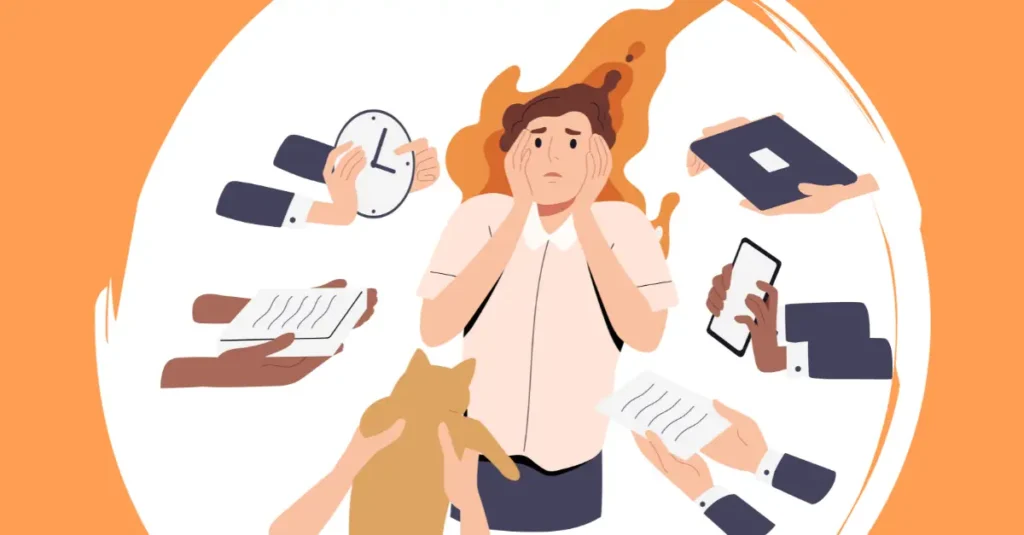
A lot of modern parenting has quietly become this:
fixing problems our children could have handled themselves.
We remind them five times.
We carry their forgotten things.
We intervene in their conflicts.
We soften every discomfort before it fully lands.
And we do it with love.
But sometimes, in trying to protect them from every small struggle, we accidentally protect them from growth.
That’s where FAFO parenting comes in.
Not harsh.
Not careless.
Just honest.

What Is FAFO Parenting Really?
FAFO parenting (short for “F*** Around and Find Out” parenting) is a consequence-based parenting style rooted in one simple idea:
Let children experience the natural outcomes of their choices — safely.
If you don’t do your homework?
You quietly face the teacher’s reaction, the tension, the discomfort.
If you stay up too late?
You feel the exhaustion the next day.
If you ignore advice?
You experience the inconvenience that follows.
No dramatic lectures.
No shouting.
No rescuing at the last minute.
Instead of yelling, threatening, or fixing everything, you step back.
You allow mistakes.
You let life happen in manageable doses.
And you let them learn from it.
Because sometimes experience teaches what words never can.
Do Children Actually Listen When We Yell?
Let’s gently be honest.
Do children truly listen because we raise our voice? Or do they just stop doing it in front of us?
Children are naturally curious. Naturally testing. Sometimes rebellious, especially as they grow.
If we constantly lecture, they don’t absorb more. They tune out more.
If we constantly scold, they don’t become responsible. They become better at hiding.
And if we constantly fix their problems, something else quietly happens:
They start believing they can’t handle things without us. That’s the real danger.
Because then responsibility feels external.
Strength feels borrowed.
Confidence feels conditional.
FAFO parenting doesn’t scream responsibility into children.
It allows them to build it.
The Psychological Backbone: Internal Locus of Control
At the heart of FAFO parenting is a powerful psychological concept: internal locus of control.
That’s when a child begins to think:
“My choices influence what happens to me.”
Instead of:
“Someone will fix this.”
When children experience natural consequences consistently — not harshly, not unpredictably, but calmly — they begin to connect actions with outcomes.
That connection builds:
Accountability
Emotional regulation
Decision-making ability
Self-trust
And that’s the foundation of independent adulthood.
Not fear.
Not obedience.
Understanding.
Why Small Consequences Matter So Much
When a 10-year-old forgets homework, it’s uncomfortable.
They might feel embarrassed. They might feel tense. They might wish they had listened. That discomfort is not damaging. It’s developmental.
But if we repeatedly prevent them from experiencing it, they don’t learn the weight of responsibility. And when responsibility is postponed long enough, it doesn’t disappear. It just grows.
A 28-year-old forgetting responsibilities isn’t a small inconvenience. It’s a serious life disruption.
FAFO parenting understands timing.
Let them learn while the stakes are small. So, when the stakes are higher, they are capable.
FAFO parenting is not neglect.
It is not: “I don’t care what happens to you.”
It is: “I care enough to let you grow.”
You are still emotionally present.
You are still supportive.
When the consequence happens, you don’t say,
“See? I told you.”
You say, “What did you learn?”
You don’t withdraw love. You don’t mock. You don’t abandon. You stay steady.
The message is simple:
“You made this choice. You’re strong enough to handle it. And I’m here while you do.”
That combination, accountability plus emotional safety — is powerful.
Why This Feels Harder for Parents
Let’s admit something quietly.
Sometimes we rescue not because they need it but because we feel uncomfortable watching them struggle.
It’s hard to see your child disappointed. It’s hard to let them feel embarrassed. It’s hard to sit still when you know you could “just fix it.”
But parenting isn’t about proving how helpful we are. It’s about raising someone who won’t need constant fixing. And that requires patience.
Children Making Mistakes Is Not a Problem, It’s the Point
If a child never makes mistakes, something is wrong.
Mistakes are how children:
Test boundaries
Understand consequences
Build judgment
Strengthen resilience
Children falling, stumbling, misjudging, that is growth in motion.
The goal isn’t to raise a child who never messes up. The goal is to raise a child who can mess up…and recover.
Because life will not remove difficulty for them. But we can give them the tools to handle it.
Let Them Learn While You Stand Steady
So yes, let them forget once. Let them miscalculate. Let them feel the mild sting of their own choices. Stand nearby. Stay calm. Be emotionally available. But don’t erase the lesson.
Because when children learn through experience, the lesson sticks. And when they survive it, they gain confidence.
Confidence turns into competence.
Competence turns into independence.
And independence? that’s the long-term goal.
You’re not raising a child for today. You’re raising an adult for tomorrow. Let them make small mistakes now. Let them face small consequences now. Let them grow now.
Because children who are allowed to “find out” in safe spaces grow into adults who don’t fall apart when life gets real. And that might be the most loving thing you can do.
So, let your kids do a little wrong.
Because that’s how you finally start doing parenting right.
Subscribe to PsychUniverse
Get the latest updates and insights.
Join 3,053 other subscribers!
Niwlikar, B. A. (2026, February 13). FAFO Parenting: The Bold 0 Nonsense Parenting Style That Builds Strong, Independent Kids. PsychUniverse. https://psychuniverse.com/fafo-parenting-natural-consequence-styles/