Introduction
Emotions are central to the human experience. They guide decisions, influence behavior, shape relationships, and help us navigate a complex social world. However, emotions can also become overwhelming, intrusive, or maladaptive. Emotional regulation—the set of processes used to influence emotional experience, expression, and intensity—is fundamental for psychological health. Research shows that effective emotion regulation is associated with resilience, better relationships, and reduced risk for mental health disorders (Gross, 2015). This article explores what emotion regulation is, why it matters, and how evidence-based strategies can help individuals manage their emotional lives more effectively.
What Is Emotion Regulation?
Emotion regulation involves modifying:
-
which emotions we experience
-
when we experience them
-
how we feel and express them
These processes can be conscious (choosing to think positively) or automatic (habitually suppressing anger). Emotion regulation does not mean eliminating emotions; rather, it means directing emotional responses in ways that are adaptive and aligned with one’s goals.
Read More: Emotions SOS
How Emotions Work
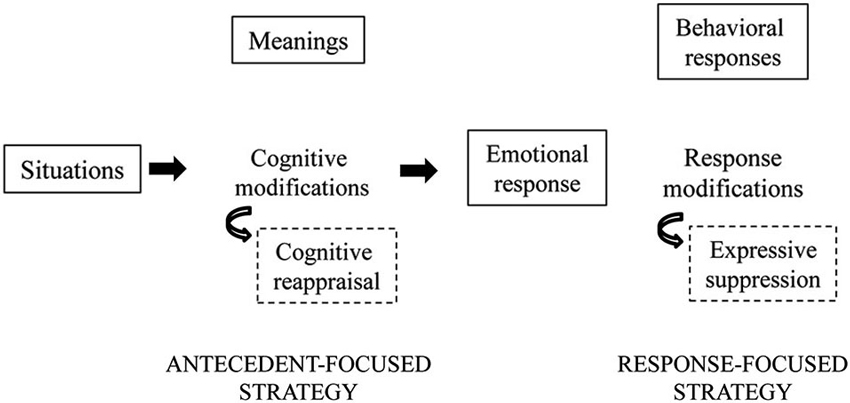
Before understanding regulation, it helps to understand how emotions arise. Emotions typically follow a sequence known as the emotion generation cycle (Gross & Thompson, 2007):
-
Situation – A triggering event occurs.
-
Attention – The person focuses on certain aspects of the situation.
-
Appraisal – The individual interprets the meaning of the event.
-
Response – Emotional, physiological, and behavioral reactions follow.
Emotion regulation can intervene at any point in this cycle, influencing both experience and expression.
The Science of Emotion Regulation
Cognitive Reappraisal
Reappraisal involves changing the meaning of a situation to alter its emotional impact. For example, failing a test may be reframed as an opportunity for growth. Research consistently shows that reappraisal reduces negative emotions and increases psychological well-being (Gross, 1998; Ochsner & Gross, 2005).
Suppression
Suppression involves inhibiting emotional expression. While it may reduce outward displays of emotion, it often increases physiological stress and does not effectively reduce emotional experience (Gross & Levenson, 1997). Suppression is linked to poorer interpersonal functioning because it limits emotional communication.
Attentional Deployment
Shifting attention—toward or away from certain stimuli—can influence emotional intensity. Distraction can be useful in short-term distress, but overreliance can become avoidance.
Situation Selection and Modification
Choosing or altering environments to support emotional well-being is a proactive regulation strategy. For example, avoiding hostile environments or seeking supportive relationships.
Response Modulation
This includes breathing exercises, physical movement, or relaxation techniques that directly influence physiological arousal.
Emotion Regulation Across Development
Children initially rely on caregivers to co-regulate emotions. Over time, they develop self-regulation skills that become more sophisticated during adolescence as brain regions responsible for self-control mature (Steinberg, 2005).

Adults continue refining emotional skills, and habits formed early often persist unless actively changed.
Emotion Regulation and Mental Health
Emotion regulation is closely tied to psychological disorders:
-
Anxiety disorders involve difficulty managing worry and threat perception.
-
Depression is associated with rumination and difficulty generating positive emotions.
-
Borderline Personality Disorder involves intense emotions and ineffective regulation strategies.
-
PTSD includes heightened physiological arousal and avoidance-based regulation.
Effective regulation can reduce symptoms and improve daily functioning.
Cultural Differences in Emotion Regulation
Cultures vary in emotional norms. Some prioritize emotional restraint, while others value expressiveness. These norms influence which strategies are adaptive or maladaptive (Matsumoto et al., 2008). For instance, suppression may be harmful in individualistic cultures but less so in collectivistic ones where harmony is valued.
Evidence-Based Strategies for Better Emotion Regulation
1. Cognitive Reappraisal
Reappraisal is one of the most effective tools supported by research. It promotes resilience, improves mood, and enhances social functioning. Practicing flexible thinking—seeing situations from multiple perspectives—strengthens this skill.
2. Mindfulness and Acceptance
Mindfulness involves nonjudgmental awareness of the present moment. It reduces emotional reactivity, supports emotional clarity, and improves psychological well-being (Kabat-Zinn, 2003). Acceptance-based approaches allow emotions to arise without suppression or avoidance.
3. Breathwork and Physiological Regulation
Slow breathing activates the parasympathetic nervous system, reducing physiological arousal. Grounding techniques such as progressive muscle relaxation also regulate the stress response.
4. Behavioral Activation
Engaging in meaningful activities can counteract depressive states. Behavioral activation interrupts cycles of avoidance and increases exposure to positive reinforcement.
5. Social Support
Talking through emotions with trusted individuals provides validation and helps reframe experiences. Social connection is a powerful regulator of emotional intensity.
6. Identifying Triggers
Tracking emotional patterns helps identify triggers. Awareness enables earlier, more effective intervention before emotional escalation.
7. Developing Emotional Literacy
Understanding the nuances of emotional states—distinguishing frustration from anger, or disappointment from sadness—enhances regulation accuracy.
8. Professional Therapy
Therapies such as Cognitive Behavioral Therapy (CBT), Dialectical Behavior Therapy (DBT), and Acceptance and Commitment Therapy (ACT) teach structured emotion regulation skills. DBT, for instance, includes modules specifically devoted to managing strong emotions (Linehan, 1993).
Why Emotion Regulation Matters
Emotion regulation affects nearly every facet of life:
-
Relationships: Effective regulation promotes empathy, communication, and conflict resolution.
-
Career: Emotional stability supports decision making, leadership, and teamwork.
-
Mental health: Better regulation reduces risk for anxiety, depression, and stress-related disorders.
-
Physical health: Chronic emotional stress contributes to cardiovascular issues and immune dysfunction.
Learning emotional skills is therefore essential for overall well-being.
Conclusion
Emotion regulation is not about suppressing or eliminating feelings; it is about understanding them, responding intentionally, and developing a toolkit of strategies that support mental and emotional health. Psychological research demonstrates that these skills can be learned, practiced, and strengthened over time. Whether through reappraisal, mindfulness, or behavioral strategies, effective emotion regulation enhances resilience, promotes healthier relationships, and enriches everyday life. In a world full of emotional challenges, developing strong regulation skills is one of the most valuable investments a person can make.
References
Gross, J. J. (1998). The emerging field of emotion regulation. Review of General Psychology, 2(3), 271–299.
Gross, J. J. (2015). Emotion regulation: Current status and future prospects. Psychological Inquiry, 26(1), 1–26.
Gross, J. J., & Levenson, R. W. (1997). Hiding feelings: The acute effects of inhibiting negative and positive emotion. Journal of Abnormal Psychology, 106(1), 95–103.
Gross, J. J., & Thompson, R. A. (2007). Emotion regulation: Conceptual foundations. In Handbook of Emotion Regulation (pp. 3–24).
Kabat-Zinn, J. (2003). Mindfulness-based interventions in context. Clinical Psychology: Science and Practice, 10(2), 144–156.
Linehan, M. M. (1993). Skills Training Manual for Treating Borderline Personality Disorder. Guilford Press.
Matsumoto, D., Yoo, S. H., Nakagawa, S., & the Multinational Study of Cultural Display Rules. (2008). Culture, emotion regulation, and adjustment. Journal of Personality and Social Psychology, 94(6), 925–937.
Ochsner, K. N., & Gross, J. J. (2005). The cognitive control of emotion. Trends in Cognitive Sciences, 9(5), 242–249.
Steinberg, L. (2005). Cognitive and affective development in adolescence. Trends in Cognitive Sciences, 9(2), 69–74.
Subscribe to PsychUniverse
Get the latest updates and insights.
Join 3,049 other subscribers!
Niwlikar, B. A. (2025, December 3). Emotional Regulation and 8 Important Strategies of It. PsychUniverse. https://psychuniverse.com/emotional-regulation-strategies/