
Introduction
Imagine you wake up feeling “off.” You might say simply “I’m sad” or “I’m anxious.” But what if you instead recognized you felt “wistful with a tinge of regret,” or “restless excitement mingled with guilt”? That added precision in how you identify your emotions is known in psychology as emotional granularity. In this article, we’ll explore what emotional granularity is, why it matters for mental health and daily life, how you can cultivate it, and what pitfalls to watch out for.
Read More: Sleep and Mental Health
What is Emotional Granularity?
Emotional granularity (sometimes called emotion differentiation) refers to the ability to distinguish among one’s emotional states with fine-grained precision rather than lumping them into broad categories like “good” or “bad” (Hoemann, 2023). In other words, rather than saying “I’m upset,” one might identify feeling “irritated,” “disappointed,” or “resentful” — all subtly different. Research suggests individuals high in emotional granularity show more nuanced emotional awareness (Hoemann, 2023).

The concept was popularised in research by Barrett and colleagues (2001 onwards) who observed that individuals low in granularity tended to differentiate emotions only by valence (positive vs. negative) or arousal (high vs. low), while those high in granularity had more differentiated categories of emotion (Barrett, 2004; as summarised in later work). Emotional granularity can be thought of as the “shade difference” of emotional life.
Think of it like colour: Someone low in emotional granularity might say “that’s blue” when they’re looking at many shades, whereas someone high in granularity says “sky-blue,” “cerulean,” “azure,” etc. In emotional terms, more detailed labels can matter because they map more precisely to internal states.
Why Emotional Granularity Matters
Two reasons why it matters include:
1. Better Emotion Regulation
Being able to label what you’re feeling more precisely isn’t just semantics — it actually relates to how well you regulate your emotions. In the research topic overview, low emotional granularity has been linked to greater reliance on maladaptive regulation strategies, while high granularity is associated with more effective regulation (see Hoemann, 2023). Low granularity has been linked to affective disorders such as major depressive disorder and social anxiety disorder. (Hoemann, 2023).
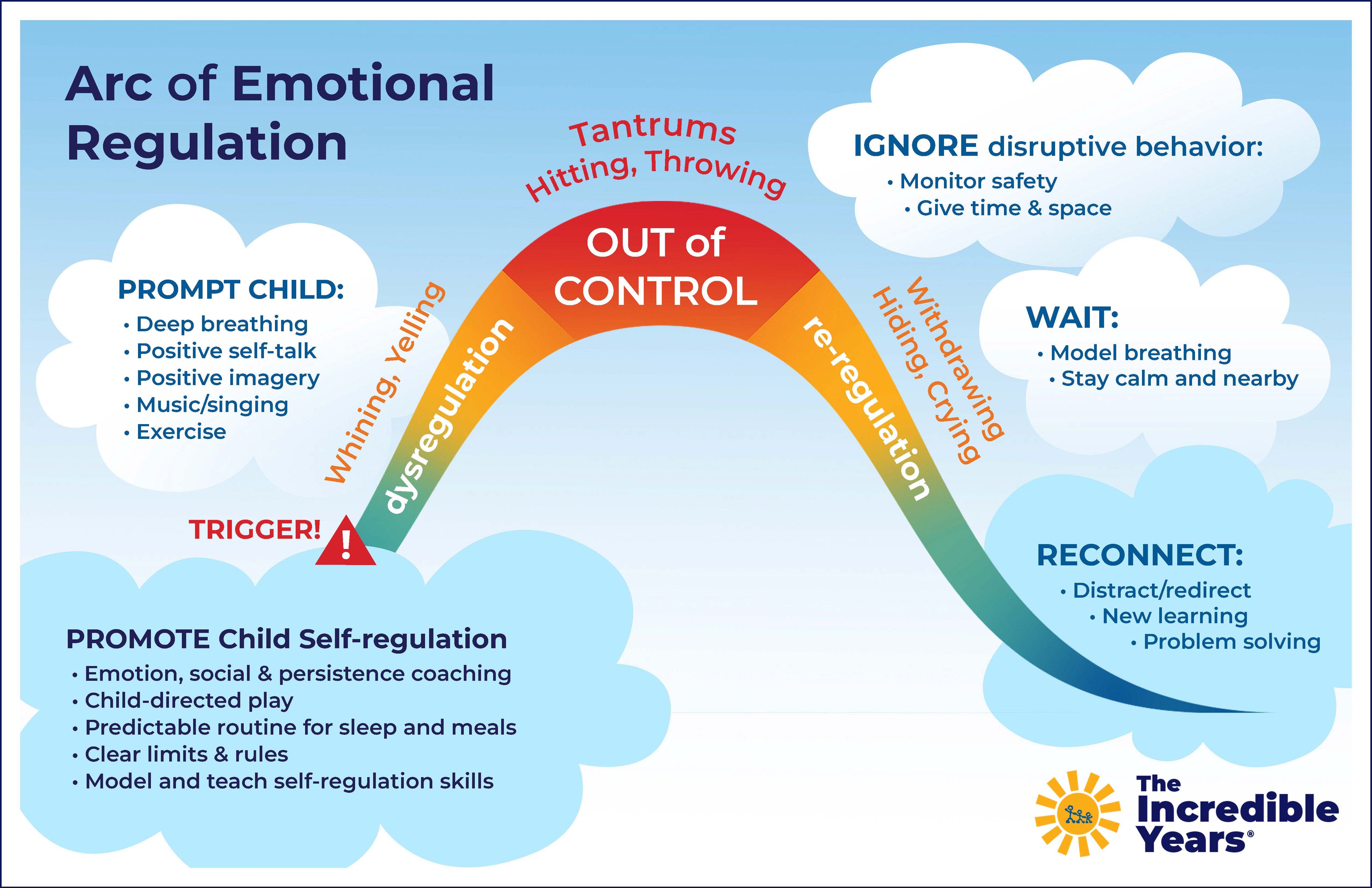
For example, if you simply feel “bad,” you might impulsively lash out or numb the feeling. But if you recognise “I feel frustrated and abandoned,” you might then choose to reach out for connection or reflect on the source of the feeling before acting.
2. Link to Mental Health Outcomes
Studies show that low emotional granularity is associated with increased risk for affective disorders: mood disorders like major depressive disorder, social anxiety, and possibly PTSD. (Hoemann, 2023). One recent study found emotional granularity significantly predicted vulnerability to PTSD symptoms: a lack of emotional awareness correlated with higher risk (Vishnubhotla et al., 2024). This suggests that granularity isn’t merely a “nice to have,” but may play a role in mental‐health vulnerability.
In contrast, higher granularity appears protective: people who can make finer distinctions among their emotions seem better equipped to manage stress and negative affect (Wilson-Mendenhall et al., 2021).
Everyday Benefits
Beyond mental‐health pathology, emotional granularity plays out in everyday life:
-
Improved communication: When you can articulate your feelings more accurately, you enhance interpersonal understanding. Instead of “I’m upset,” saying “I feel let down and anxious about being ignored” invites more specific responses from others.
-
Better decision-making: Understanding your emotional state with nuance helps guide choices (e.g., “I’m disappointed, not angry” may shift approach in a conversation).
-
Enhanced self-understanding: Subtle emotional labeling fosters introspective insight.
How Emotional Granularity Develops & Can Be Cultivated
Some of the ways it develops include:
Role of Language & Awareness
The ability to differentiate emotion is partly a function of emotional vocabulary and awareness. If you don’t have many words for subtle feelings, you’re likelier to lump them together. Lindquist & Barrett (2017) emphasised that language and conceptual knowledge shape emotional granularity.

Experience‐Sampling & Practice
Some studies use experience sampling (prompting people throughout the day to report on their feelings) to assess granularity. These techniques also serve as interventions: by prompting attention to subtle emotional shifts one builds granularity over time (Wilson-Mendenhall et al., 2021).
Practical Exercises
Here are some actionable practices to build emotional granularity:
-
Emotion diary: Note not only that you felt “bad,” but explore the flavours: “lonely,” “anxious about tomorrow,” “resentful about the comment,” etc.
-
Expand emotion vocabulary: Use lists of subtle emotions (e.g., hopeful, defeated, perplexed, wistful) and pick the most precise label.
-
When‐then reflections: Ask “When I felt this, then I…” to map emotion to trigger and response.
-
Mindful pause: Before reacting, pause and ask: What exactly am I feeling? Try to name at least two sub-emotions.
Over time, this builds the “muscle” of nuanced emotional awareness.
Why It Matters Today
In a fast‐paced, high‐pressure world, many people operate on autopilot: feeling “stressed,” “tired,” “sad,” without pausing to parse the feeling. This superficial mode of emotional awareness leads to reactive coping (stress‐eating, social media scrolling, avoidance). Building emotional granularity offers a way to shift from reactive to reflective.
For mental health professionals, granularity is emerging as a promising target for intervention: improving emotion differentiation may reduce vulnerability to depression/anxiety (Ozomaro, 2025).
Practical Takeaways
-
Emotional granularity = ability to identify and label emotions with precision rather than broadly.
-
It is associated with better emotional regulation and mental health.
-
You can build it by expanding your emotion vocabulary, using journalling/experience sampling, pausing to label feelings, and reflecting on triggers and responses.
-
It’s not about becoming overly analytical of feelings; it’s about clarity that fosters healthier coping.
-
In daily life, pressing pause and asking “What exactly am I feeling?” can move you from being hijacked by emotions to guided by them.
If I had to give you one question to ask yourself when you feel “off,” it’s: “Instead of saying ‘bad’, what exactly do I feel and what does it invite me to do?” That clarity alone often changes the game.
References
Hoemann, K. (2023). Emotional granularity is associated with daily experiential and physiological correlates of well‐being. Frontiers in Psychology.
Ozomaro, B. (2025). Emotional granularity in health and psychopathology. Journal of Psychology.
Schmitt, M. C., et al. (2025). Executive functions and emotional granularity. Affective Science.
Wilson-Mendenhall, C. D., et al. (2021). Cultivating emotional granularity. Frontiers in Psychology, 12.
Subscribe to PsychUniverse
Get the latest updates and insights.
Join 3,049 other subscribers!
Niwlikar, B. A. (2025, November 29). Emotional Granularity and 2 Important Reasons Why It Matters. PsychUniverse. https://psychuniverse.com/emotional-granularity/


Pingback: URL