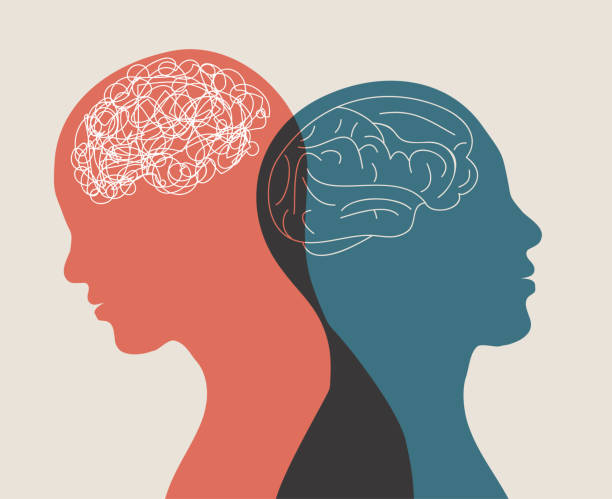
Most adults believe their coping habits—how they deal with stress, conflict, intimacy, and failure—are personal choices developed over time. In reality, many of these behaviors were formed long before adulthood. Childhood experiences quietly shape the nervous system, emotional responses, and survival strategies that later appear as adult coping mechanisms.

What once helped a child feel safe, seen, or protected often becomes an automatic response in adulthood—even when it no longer serves its original purpose. Understanding this connection offers compassion, clarity, and a powerful path toward change.
Read More: Attachment Styles
What Are Coping Mechanisms?
Coping mechanisms are psychological and behavioral strategies used to manage stress, emotional pain, or perceived threats. They range from adaptive (healthy) to maladaptive (harmful).
Adaptive coping may include:
- Emotional expression
- Problem-solving
- Seeking social support
Maladaptive coping may include:
- Emotional suppression
- Avoidance
- Substance use
- People-pleasing or emotional withdrawal
Coping strategies are not character flaws; they are learned responses to past environments.
Ways Childhood Experiences Shape Adult Coping Mechanisms
Some of the ways childhood experiences shape adult coping include:
1. The Developing Brain
During childhood, the brain is highly plastic. Neural pathways form based on repeated emotional experiences, particularly within caregiving relationships (Siegel, 2012). Children depend on caregivers to:
- Regulate emotions
- Provide safety
- Model coping behaviors

When these needs are unmet or inconsistently met, children adapt by creating internal coping strategies to survive emotionally.
2. Attachment Styles and Emotional Regulation
Attachment theory explains how early caregiver relationships shape emotional regulation patterns (Bowlby, 1969).
Secure Attachment: Children whose caregivers were consistently responsive tend to develop:
- Emotional awareness
- Healthy self-soothing
- Comfort with intimacy
As adults, they often cope through communication and support-seeking.
Anxious Attachment: Inconsistent caregiving teaches children to:
- Heighten emotional expression
- Seek reassurance
- Fear abandonment
Adult coping may include rumination, people-pleasing, or emotional dependency.
Avoidant Attachment: Emotionally unavailable caregivers lead children to:
- Suppress emotional needs
- Rely on self-sufficiency
- Avoid vulnerability
Adults may cope through emotional distancing, overworking, or isolation.
Disorganized Attachment: When caregivers are both a source of comfort and fear, children develop contradictory coping responses, often linked to trauma (Main & Solomon, 1990).
3. Adverse Childhood Experiences (ACEs)
The ACEs framework identifies experiences such as:
- Emotional or physical neglect
- Abuse
- Household instability
Research shows a strong link between ACEs and adult mental health challenges, including anxiety, depression, and maladaptive coping behaviors (Felitti et al., 1998).
High ACE scores correlate with:
- Hypervigilance
- Emotional numbness
- Difficulty trusting others
These coping strategies once ensured survival but may hinder adult well-being.
4. The Nervous System and Survival Responses
Childhood stress shapes the autonomic nervous system. Many adult coping behaviors are rooted in survival responses:
- Fight: anger, control
- Flight: avoidance, perfectionism
- Freeze: dissociation, shutdown
- Fawn: people-pleasing

These responses are not conscious choices—they are physiological adaptations to early environments (van der Kolk, 2014).
5. Emotional Suppression and Avoidance
Children raised in environments where emotions were dismissed or punished often learn to suppress feelings.
As adults, this may look like:
- Intellectualizing emotions
- Avoiding conflict
- Numbing through distractions
While suppression may reduce short-term distress, research shows it increases long-term psychological stress (Gross & John, 2003).
6. People-Pleasing as a Coping Strategy
Children who learned that love was conditional often become adults who:
- Prioritize others’ needs
- Avoid asserting boundaries
- Fear rejection
People-pleasing is a learned survival strategy designed to maintain connection—not a personality trait.
7. Hyper-Independence and Self-Reliance
Some adults cope by relying exclusively on themselves. This often develops in childhood environments where:
- Support was unreliable
- Vulnerability was unsafe
Hyper-independence protects against disappointment but limits intimacy and support in adulthood.
8. Reenactment and Familiar Pain
Psychodynamic theory suggests people unconsciously recreate familiar emotional patterns in adulthood (Freud, 1920). This may explain why some are drawn to relationships or situations that mirror early emotional wounds. The psyche seeks mastery over unresolved experiences—even when the outcome is painful.
Healing and Rewriting Coping Patterns
Change begins with awareness. Adaptive coping can be learned through:
- Therapy (CBT, trauma-informed, attachment-based)
- Nervous system regulation
- Emotional literacy development
The brain remains plastic throughout life, allowing new emotional pathways to form.
Self-Compassion as a Foundation for Change
Recognizing that coping mechanisms once served a purpose shifts self-judgment into compassion. Healing is not about eliminating coping strategies, but updating them to meet present-day needs.
Final Thoughts
Childhood experiences do not determine destiny—but they do shape the starting point. By understanding the psychological roots of coping behaviors, adults can move from automatic survival to intentional living.
Healing is not about blaming the past. It is about reclaiming choice in the present.
References
Bowlby, J. (1969). Attachment and Loss: Vol. 1. Attachment. Basic Books.
Felitti, V. J., et al. (1998). Relationship of childhood abuse and household dysfunction to adult health. American Journal of Preventive Medicine, 14(4), 245–258.
Freud, S. (1920). Beyond the Pleasure Principle. International Psycho-Analytical Press.
Gross, J. J., & John, O. P. (2003). Individual differences in emotion regulation. Journal of Personality and Social Psychology, 85(2), 348–362.
Main, M., & Solomon, J. (1990). Procedures for identifying disorganized attachment. University of Chicago Press.
Siegel, D. J. (2012). The Developing Mind. Guilford Press.
van der Kolk, B. (2014). The Body Keeps the Score. Viking.
Subscribe to PsychUniverse
Get the latest updates and insights.
Join 3,036 other subscribers!
Niwlikar, B. A. (2026, January 21). 8 Powerful Ways Childhood Experiences Shape Adult Coping Mechanisms. PsychUniverse. https://psychuniverse.com/childhood-experiences-adult-coping-mechanisms/