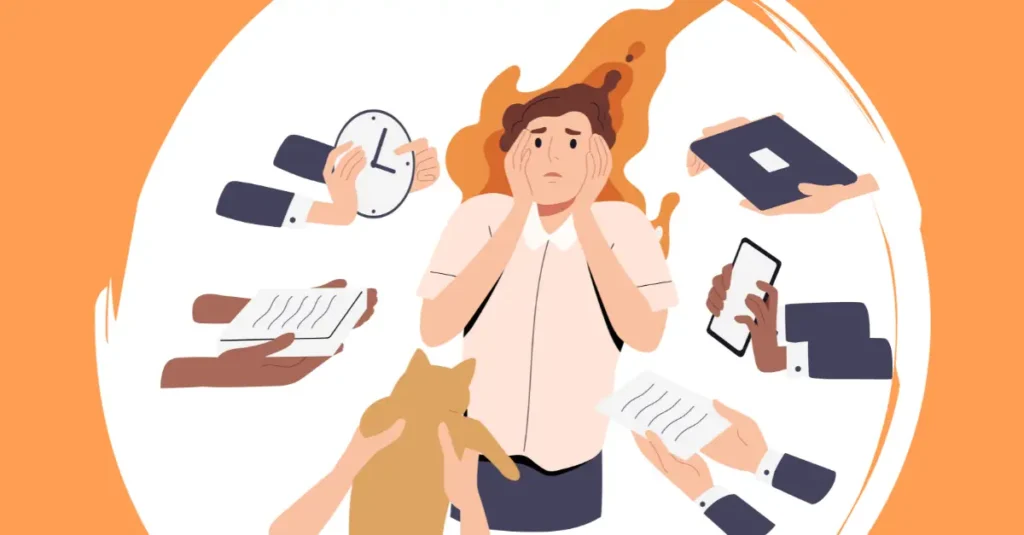
The Benjamin Franklin Effect Is Playing You: Why Doing Favors Makes You Like Them More
The mildly embarrassing psychology behind why effort creates attachment (and why you’re emotionally investing before you’re even liked)
You Did Them a Favor… So Why Are You Attached Now?
Let’s start with a slightly humiliating observation.
You:
- Helped them with something small
- Gave your time, your effort, your energy
- Maybe even went a little out of your way
And now?
- You’re thinking about them.
Defending them.
Feeling… invested.
Meanwhile, they’re just existing. Unbothered. Hydrated. Living their life.
Welcome to the Benjamin Franklin Effect, where your brain decides:
“I did something nice for them… so clearly, I must like them.”
Not because they earned it. Not because they impressed you.
But because you put in effort.
Romantic. Slightly tragic. Very human.

What Even Is the Benjamin Franklin Effect (And Why Is It So Personal)?
The Benjamin Franklin Effect comes from a story about…..you guessed it—Benjamin Franklin.
Franklin had a political rival who didn’t like him. Instead of trying to impress him, Franklin asked him for a favor, borrowing a rare book.
The man agreed. And afterward? He liked Franklin more.
Why?
Because his brain had to justify:
“Why would I do something nice for someone I don’t like?”
So it rewrote the narrative:
“Oh… I must like him.”
That’s the Benjamin Franklin Effect in action.
Your Brain Hates Contradictions (So It Just Fixes the Story)
Here’s the psychological backbone behind the Benjamin Franklin Effect:
Humans don’t like internal inconsistency.
If your behavior says:
“I’m helping this person”
“I’m investing in them”
But your emotions say:
“I don’t really care about them”
Your brain panics a little.
So it resolves the tension by adjusting your feelings:
“Okay fine, we must like them.”
This is closely tied to cognitive dissonance, the mental discomfort that comes from holding two conflicting ideas.
Instead of changing your behavior, your brain changes your feelings.
Efficient. Questionable. Classic.
Effort Is the Real Love Language (Unfortunately)
The Benjamin Franklin Effect exposes something slightly uncomfortable:
We don’t just fall for people. We fall for the effort we put into them.
Think about it:
The more you help, the more you care. The more you invest, the harder it is to detach. The more time you give, the more meaning you assign
So when you do favors, your brain goes:
“This must be important.”
And suddenly, they are.
Not because they’re extraordinary. But because your effort made them feel valuable.
This Is Why You Like People Who Haven’t Done Much
Ever liked someone and then had to pause and ask yourself:
“Wait… what exactly have they done to deserve this?”
Nothing dramatic.
But you:
- Helped them
- Listened to them
- Showed up for them
Congratulations. The Benjamin Franklin Effect has entered the chat.
Your brain equates:
Effort = emotional significance
So now you’re attached to someone who barely did anything except exist and accept your kindness.
Romantic comedies lied to you. This is the real plot.
The Dark Side: When the Benjamin Franklin Effect Backfires
Let’s not romanticize it too much. The Benjamin Franklin Effect can quietly trap you in one-sided dynamics.
Because once you start investing:
- You justify their behavior
- You minimize red flags
- You continue giving (because stopping feels wrong)
Your brain goes:
“I’ve already done so much… this must mean something.”
No. It means you’ve done a lot.
That’s it.
Effort does not equal reciprocity. And the Benjamin Franklin Effect doesn’t check whether the other person deserves it.
Why This Feels So Intense for “Good” People
If you already struggle with:
- people-pleasing
- approval-seeking
- difficulty setting boundaries
Then the Benjamin Franklin Effect hits harder.
Because you’re more likely to:
- offer help quickly
- go the extra mile
- attach meaning to being needed
So every small favor becomes emotional glue. And suddenly, you’re not just being nice.
You’re getting attached.
The Slightly Flirty Part (Yes, This Works on Attraction Too)
Here’s where it gets interesting. The Benjamin Franklin Effect isn’t just about friendships.
It shows up in attraction.
If someone asks you for a small favor:
- advice
- help
- your time
Your brain may start liking them more. Not because they impressed you. But because you invested.
Which is why people who:
- engage you
- involve you
- ask for your input
often feel more appealing.
They’re not doing more. They’re just making you do more. Psychological plot twist.
So… What Do You Do With This Information?
You don’t stop being kind.
Relax.
But you do become aware.
Next time you feel yourself getting attached, ask:
“Do I actually like them?”
“Or have I just invested in them?”
Because the Benjamin Franklin Effect blurs that line beautifully.
Also:
- Notice where your effort is going
- Check if it’s reciprocated
- Don’t build emotional attachment on unpaid labor
You are not a loyalty program. Effort should not be the only thing earning points.
Final Thought: You’re Not Falling for Them — You’re Falling for Your Effort
The Benjamin Franklin Effect reveals something quietly profound:
We don’t just love people for who they are. We love them for what we’ve done for them.
And sometimes, that means:
- We overvalue people
- We overstay
- We overgive
All because our brain decided:
“This must matter.”
So next time you catch feelings a little too fast…
Pause.
It might not be chemistry.
It might just be the Benjamin Franklin Effect doing what it does best:
Turning your effort into emotion.
Subscribe to PsychUniverse
Get the latest updates and insights.
Join 3,088 other subscribers!
Niwlikar, B. A. (2026, April 30). You Did Them 1 Favor and Now You’re Emotionally Invested? The Benjamin Franklin Effect Explained. PsychUniverse. https://psychuniverse.com/the-benjamin-franklin-effect-explained/