What Are You Doing Wrong And How to Actually Get Motivated
Let’s start with a very honest question.
How many times have you said something like:
“I’ll start when I feel motivated.”
“I’ll study when I’m in the mood.”
“I’ll go to the gym when motivation kicks in.”
“I’ll work on that project tomorrow when I feel more inspired.”
And then tomorrow comes… and somehow the motivation is still on vacation.
If this sounds familiar, congratulations. You’re experiencing one of the most common productivity traps humans fall into.
Most people think motivation works like this:
Motivation → Action → Results
But that’s not how motivation actually works.
In reality, the order is reversed.
Action → Motivation → Results
Which means if you keep waiting for motivation before you start, you might be waiting forever. Understanding this simple shift is the key to how to actually get motivated.

The Biggest Lie About Motivation
Somewhere along the way, we were sold a very comforting idea: that motivation magically appears first.
You wake up feeling inspired.
You feel energetic.
You feel ready to conquer the world.
And then you start working.
Sounds great. Also… completely unrealistic.
In real life, motivation behaves more like a moody roommate. Sometimes it shows up. Sometimes it disappears for days. Sometimes it arrives at 2 AM when you’re trying to sleep.
If your entire productivity system depends on feeling motivated first, you’ll constantly struggle to figure out how to actually get motivated.
Because motivation isn’t a reliable starting point. It’s usually the result of action, not the cause of it.
Why Your Brain Waits for Motivation
Your brain loves comfort.
Starting something new requires effort, uncertainty, and sometimes the risk of failure. Your brain’s natural response is to delay that discomfort.
So it creates a convenient excuse: “I’m just not motivated right now.”
But here’s the interesting psychological twist.
Research in behavioral psychology shows that action often creates motivation, not the other way around. This idea is closely related to a concept called behavioral activation, which is used in therapy to help people overcome inertia and depression.
Instead of waiting to feel ready, people are encouraged to take small actions first.
And surprisingly, motivation often appears after the action begins.
That’s a key insight into how to actually get motivated.
Action Creates Motivation (Not the Other Way Around)
Think about the last time you really didn’t feel like doing something.
Maybe studying. Maybe exercising. Maybe starting a big assignment.
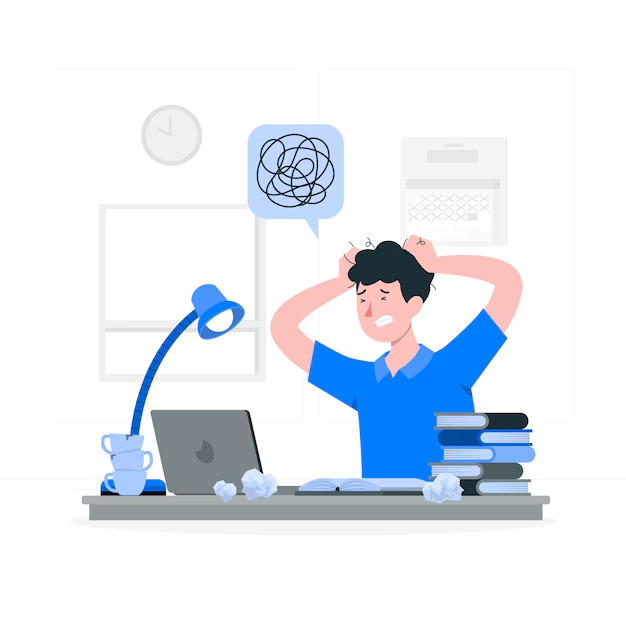
Before starting, everything felt heavy and exhausting.
But then something interesting happened. After working for 10 or 15 minutes, the task suddenly felt… manageable.
That’s because starting creates momentum.
When you begin a task, your brain releases dopamine — the neurotransmitter associated with motivation, reward, and progress. This chemical feedback loop encourages you to keep going.
Your brain essentially says, “Oh, we’re doing this now. Fine. Let’s make it easier.”
This is also where the brain’s reward system comes into play. When you start a task and experience even a small sense of progress, your brain registers it as a reward. That reward could be something big, like completing an assignment, but more often it’s something subtle — the relief of finally starting, the satisfaction of checking a task off your list, or simply the feeling that you’re moving forward instead of being stuck.
These small rewards act as reinforcement. In psychology, reinforcement increases the likelihood that a behavior will be repeated. So when starting a task leads to even a tiny positive feeling, your brain learns: “Doing this again might feel good too.”
And the reinforcement doesn’t have to be dramatic. Sometimes the reinforcement is simply the reduction of stress you felt before starting. Sometimes it’s the sense of control that comes from taking action. Even these small experiences strengthen the habit of starting.
Another brain system involved here is the prefrontal cortex, the area responsible for planning, decision-making, and goal-directed behavior. When you delay tasks, your emotional brain (which prefers comfort and avoidance) tends to dominate. But when you begin taking action, the prefrontal cortex becomes more engaged, helping you stay focused and organized.So the moment you take action, several psychological processes start working in your favor — dopamine release, reinforcement learning, and goal-directed brain activity.
All of this means that starting a task doesn’t just move you forward practically. It actually changes the mental state of your brain.
That’s the secret behind how to actually get motivated.
You don’t wait for motivation.
You create it.
Small Actions Beat Big Intentions
Another mistake people make when trying to figure out how to actually get motivated is setting huge starting expectations.
“I’ll study for five hours.”
“I’ll completely change my routine.”
“I’ll wake up at 5 AM every day starting tomorrow.”
Your brain hears this and immediately panics.
Huge goals feel overwhelming, which makes procrastination even easier.
A better strategy is starting ridiculously small.
Instead of:
“I’ll study all night.”
Try:
“I’ll study for ten minutes.”
Instead of:
“I’ll work out for an hour.”
Try:
“I’ll just do five minutes.”
This tiny step lowers resistance and makes starting easier.
Psychologists sometimes call this reducing the activation energy of a task. When the starting point feels manageable, the brain is far less likely to resist it.
And once you start, something interesting usually happens.
You keep going.
That’s the power of momentum, and it’s a huge part of how to actually get motivated.
Habits Make Motivation Less Necessary
Here’s another truth most people don’t love hearing.
Highly productive people are not constantly motivated.
They just rely less on motivation.
Instead, they rely on habits.
Habits reduce the mental effort required to start tasks. When something becomes routine, your brain stops debating whether to do it.
You just do it automatically.
Think about brushing your teeth. You don’t wait to feel inspired. You don’t sit there thinking about the emotional meaning of dental hygiene.
You just do it.
Building habits works the same way for studying, exercising, writing, or any productive behavior.
Over time, repeated behaviors become encoded in neural pathways through a process called habit learning. The brain gradually shifts the behavior from effortful decision-making to more automatic patterns.
And this is another key insight into how to actually get motivated: when habits take over, motivation becomes a bonus instead of a requirement.
Why Waiting for Motivation Keeps You Stuck
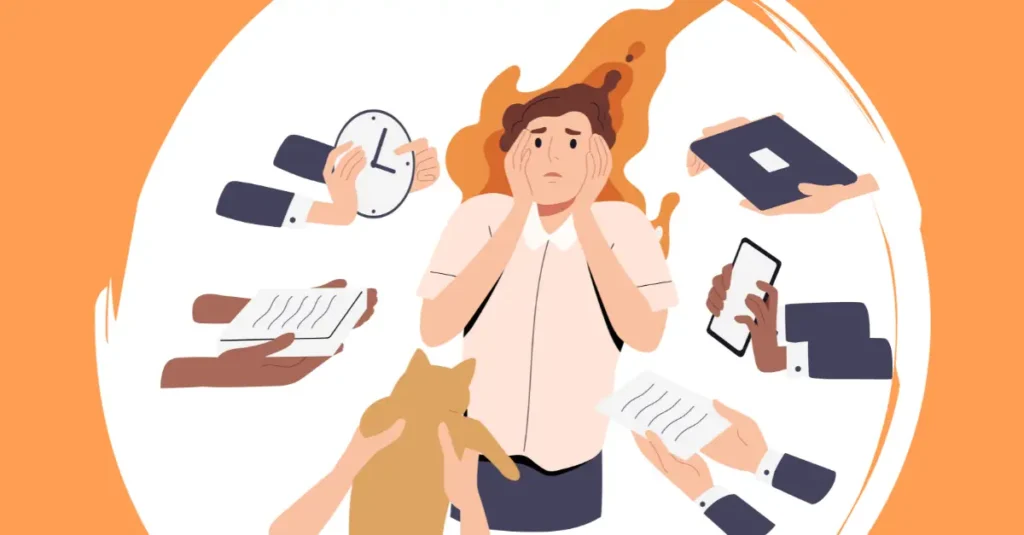
The real danger of waiting for motivation is that it creates a cycle.
You wait to feel motivated.
Nothing happens.
You feel guilty for not starting.
That guilt makes starting feel even harder.
So you wait again.
And the cycle continues.
Understanding how to actually get motivated means breaking this loop by taking action before motivation appears.
Even small progress can shift your mental state.
Once you start moving, motivation usually catches up.
So How Do You Actually Get Motivated?
If you want a practical answer to how to actually get motivated, it’s surprisingly simple:
Start before you feel ready.
Start when you feel lazy.
Start when you feel unsure.
Start when motivation is nowhere to be found.
Take the smallest possible step and let momentum do the rest.
Because the truth is, motivation isn’t a magical spark that appears out of nowhere.
It’s something your brain generates after you begin.
Final Thoughts
Most people are waiting for motivation.
They’re waiting for the perfect mood, the perfect time, or the perfect burst of inspiration.
But that’s not how motivation really works.
Understanding how to actually get motivated means realizing that motivation is not the starting line. It’s a side effect of action.
So the next time you catch yourself saying, “I’ll start when I feel motivated,” remember this:
Motivation isn’t coming first.
Action is.
Subscribe to PsychUniverse
Get the latest updates and insights.
Join 3,087 other subscribers!
Niwlikar, B. A. (2026, March 16). Waiting to Feel Motivated Is Why Nothing Gets Done: How to Actually Get Motivated. PsychUniverse. https://psychuniverse.com/the-psychology-of-how-to-actually-get-motivated/