Introduction
Emotions are often assumed to be brief reactions that dissipate once the triggering event ends. However, emotional experiences frequently leave behind lingering aftereffects that shape perception, memory, and mood long after the moment has passed. These lingering effects are commonly referred to as emotional hangovers.
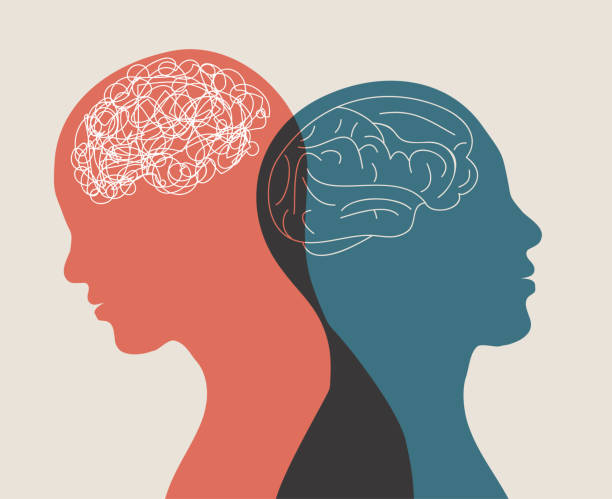
An emotional hangover occurs when an emotional state persists beyond its original cause, subtly influencing subsequent experiences. Rather than being fleeting, emotions can create neural and cognitive conditions that carry forward in time.
Read More: Sleep and Mental Health
Emotional Persistence in the Brain
Emotionally arousing events activate interconnected brain systems involving the amygdala, hippocampus, and prefrontal cortex. The amygdala plays a central role in tagging experiences as emotionally significant, thereby enhancing memory consolidation (McGaugh, 2004).

Crucially, this emotional activation does not cease immediately once the event ends. Research demonstrates that emotional brain states can persist and influence how subsequent neutral experiences are processed. Tambini et al. (2017) showed that emotional arousal enhances memory for unrelated information encountered later, providing direct evidence for emotional carryover.
Emotional Hangovers and Memory
Emotional hangovers strongly affect memory formation. When the brain remains in an emotionally sensitized state, it prioritizes encoding of new information. This can make emotionally charged days feel subjectively dense and memorable.
However, this mechanism also increases the likelihood of misattribution. Individuals may attribute emotional intensity to new situations when the source is actually residual emotion from an earlier event.
The Peak–End Rule
The persistence of emotional hangovers is also shaped by how experiences are evaluated. The peak–end rule suggests that people judge experiences based primarily on their most intense moment and their ending, rather than the overall duration or average intensity (Kahneman et al., 1993).
If an emotional event ends without resolution, the emotional state at the conclusion may persist. This helps explain why emotionally unresolved experiences are particularly likely to produce lingering effects.
Positive and Negative Emotional Hangovers
Emotional hangovers occur following both positive and negative events. Positive emotional hangovers can enhance motivation and social openness. However, negative emotional hangovers tend to be more disruptive, biasing attention toward threat or loss.
Repeated negative emotional hangovers may contribute to chronic stress and emotional exhaustion, particularly when individuals lack effective emotion regulation strategies.
Individual Differences
Not all individuals experience emotional hangovers equally. Emotional sensitivity, habitual rumination, and preferred emotion regulation strategies all influence emotional persistence.
People who rely heavily on emotional suppression tend to experience longer-lasting emotional effects, whereas those who use cognitive reappraisal often recover more quickly (Gross, 2015).
Rumination and Emotional Carryover
Emotional hangovers are closely linked to rumination. While emotional hangovers involve neural persistence, rumination sustains emotional activation through repetitive thinking. Together, they can create self-reinforcing cycles that prolong emotional distress.
Research indicates that rumination makes emotional events feel closer in time, intensifying their subjective impact (D’Argembeau et al., 2014).
Cultural Influences
Modern environments may amplify emotional hangovers through constant stimulation and digital reminders. Photographs, messages, and online interactions can repeatedly reactivate emotional states, preventing natural emotional decay.

Cultural expectations to remain productive and emotionally controlled may also discourage emotional processing, paradoxically prolonging emotional effects.
Managing Emotional Hangovers
Managing emotional hangovers involves facilitating emotional resolution rather than suppression. Evidence-based strategies include:
- Cognitive reappraisal to reinterpret emotional events
- Mindfulness to reduce emotional reactivity
- Temporal distancing to reduce emotional intensity
These strategies support adaptive emotion regulation and psychological resilience.
Conclusion
Emotional hangovers reflect the brain’s tendency to carry emotional states forward. They are not signs of emotional weakness, but natural consequences of affective processing. Understanding emotional hangovers allows individuals to respond with patience and skill, supporting emotional integration rather than avoidance.
References
D’Argembeau, A., Renaud, O., & Van der Linden, M. (2014). Frequency, characteristics, and functions of future-oriented thoughts in daily life. Applied Cognitive Psychology, 25(1), 96–103.
Gross, J. J. (2015). Emotion regulation: Current status and future prospects. Psychological Inquiry, 26(1), 1–26.
Kahneman, D., Fredrickson, B. L., Schreiber, C. A., & Redelmeier, D. A. (1993). When more pain is preferred to less: Adding a better end. Psychological Science, 4(6), 401–405.
McGaugh, J. L. (2004). The amygdala modulates the consolidation of memories of emotionally arousing experiences. Annual Review of Neuroscience, 27, 1–28.
Nolen-Hoeksema, S., Wisco, B. E., & Lyubomirsky, S. (2008). Rethinking rumination. Perspectives on Psychological Science, 3(5), 400–424.
Tambini, A., Rimmele, U., Phelps, E. A., & Davachi, L. (2017). Emotional brain states carry over and enhance future memory formation. Nature Neuroscience, 20(2), 271–278.
Subscribe to PsychUniverse
Get the latest updates and insights.
Join 3,088 other subscribers!
Niwlikar, B. A. (2026, January 11). Emotional Hangover and 3 Important Ways to Handle It. PsychUniverse. https://psychuniverse.com/emotional-hangovers/