
Leadership Is More Than a Job Title
Why do some leaders inspire trust, motivation, and loyalty, while others leave teams disengaged, stressed, or burned out? The difference is rarely intelligence, technical skill, or authority alone. Instead, the answer lies deeply rooted in psychology.
Modern workplace research shows that effective leadership is not about control or dominance—it’s about understanding human behavior. Good leaders shape how people feel, think, and perform at work. They influence motivation, emotional safety, decision-making, and group dynamics.
Read More: Teenagers and Risk
The Shift From Traditional to Psychological Leadership
Historically, leadership was associated with hierarchy, power, and command. Leaders were expected to direct and employees to obey. However, this model has steadily lost effectiveness in modern workplaces that value creativity, collaboration, and autonomy.
Research in organizational psychology shows that leadership effectiveness today depends less on authority and more on emotional intelligence, communication, and trust (Yukl, 2013).
In short, leadership has shifted from managing tasks to leading people.
1. Emotional Intelligence
One of the strongest psychological predictors of leadership success is emotional intelligence (EI)—the ability to understand and manage one’s own emotions and recognize those of others.
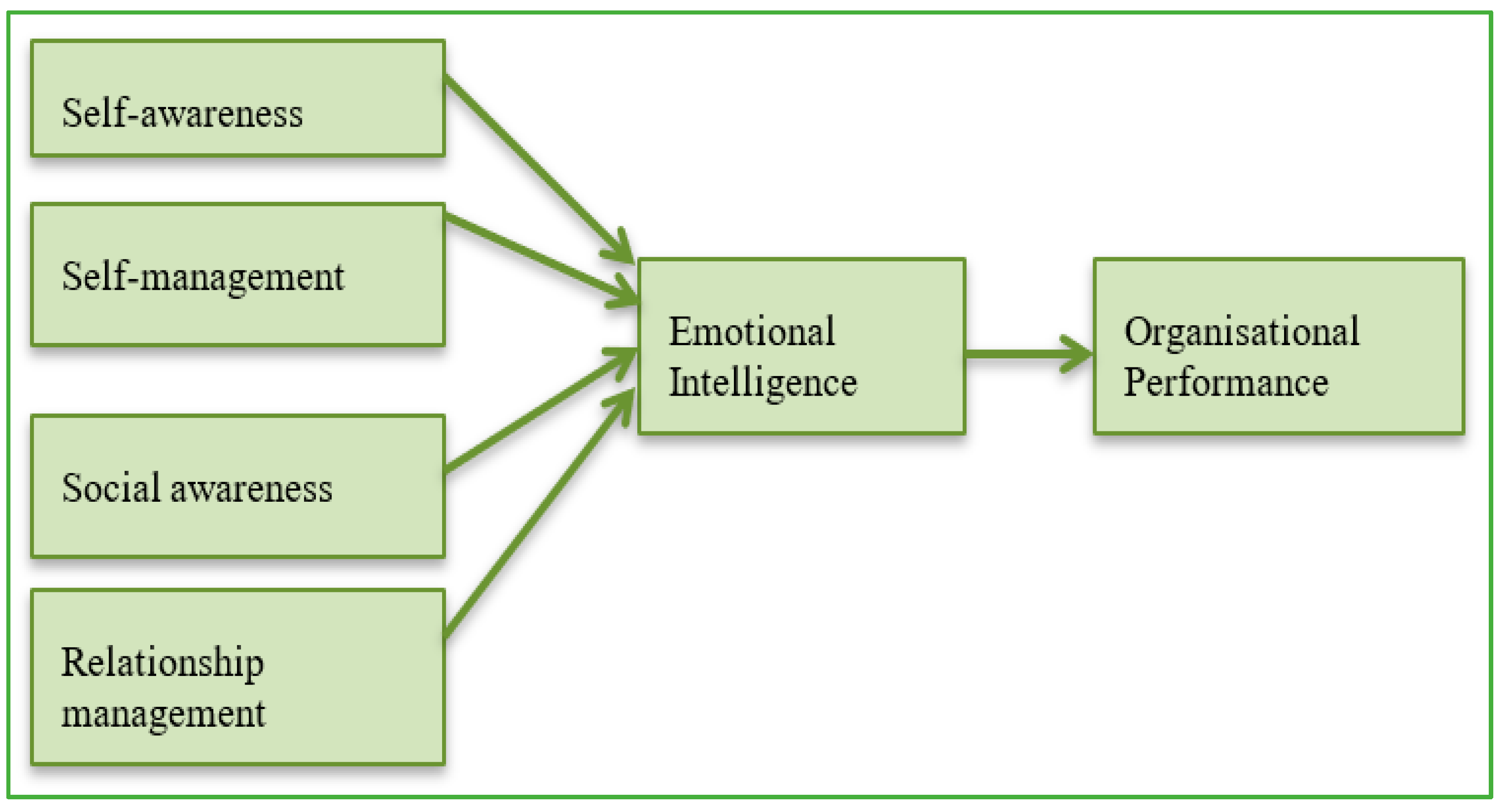
Daniel Goleman (1998) identified five key components of emotional intelligence in leaders:
- Self-awareness – understanding one’s emotions, strengths, and limitations
- Self-regulation – controlling impulses and responding calmly
- Motivation – being driven by purpose rather than status
- Empathy – understanding others’ perspectives and feelings
- Social skills – building relationships and managing conflict
Leaders high in emotional intelligence create psychologically safe environments where employees feel heard and respected. This leads to higher engagement, better collaboration, and improved performance.
2. Trust
Trust is the backbone of effective leadership. Without it, teams operate in fear, defensiveness, or disengagement.
Psychologically, trust develops when leaders demonstrate:
- Consistency (predictable behavior)
- Integrity (alignment between words and actions)
- Competence (ability to make sound decisions)
- Care (genuine concern for employees’ well-being)
Studies show that employees who trust their leaders report higher job satisfaction, organizational commitment, and motivation (Dirks & Ferrin, 2002).
When trust is absent, even the most talented teams underperform.
3. Motivation
Good leaders understand that motivation is not one-size-fits-all. Psychological research distinguishes between:
- Extrinsic motivation (rewards, bonuses, promotions)
- Intrinsic motivation (meaning, autonomy, mastery)
According to Self-Determination Theory, people perform best when three psychological needs are met (Deci & Ryan, 2000):
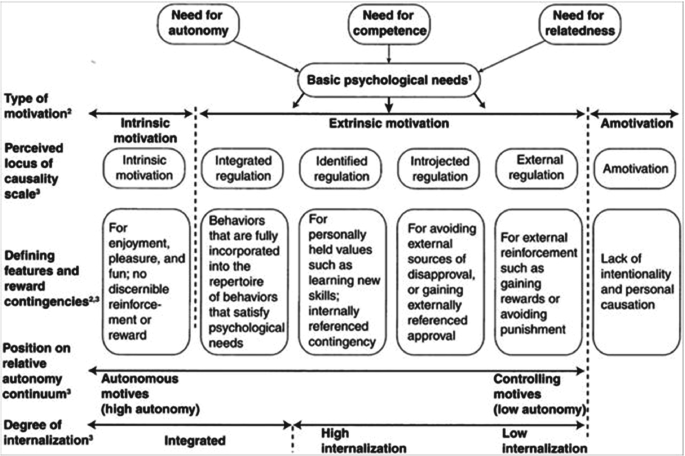
- Autonomy – having control over one’s work
- Competence – feeling capable and effective
- Relatedness – feeling connected to others
Leaders who support these needs foster deeper engagement and long-term motivation—far more effective than relying solely on incentives or pressure.
4. Leadership Styles
Different leadership styles affect employees’ psychological states in distinct ways.
Transformational Leadership
Transformational leaders inspire employees by:
- Communicating a compelling vision
- Encouraging growth and innovation
- Leading by example
This style is strongly linked to higher job satisfaction, performance, and organizational commitment (Bass & Riggio, 2006).
Authoritarian Leadership
Authoritarian leaders rely on control and obedience. While this can work in short-term crises, it often leads to:
- Fear-based compliance
- Reduced creativity
- Higher burnout
Psychologically, excessive control undermines autonomy and intrinsic motivation.
5. Psychological Safety
Psychological safety refers to a shared belief that it is safe to speak up, make mistakes, and express ideas without fear of punishment.
Amy Edmondson’s research shows that teams with high psychological safety:
- Learn faster
- Innovate more
- Perform better overall (Edmondson, 1999)
Good leaders encourage questions, admit their own mistakes, and respond constructively to feedback. This signals that vulnerability is not weakness—it’s a strength.
6. Decision-Making and Cognitive Biases in Leadership
Leaders are not immune to cognitive biases. In fact, power can amplify them.
Common leadership biases include:
- Confirmation bias – favoring information that supports existing beliefs
- Overconfidence bias – overestimating one’s judgment
- In-group bias – favoring certain team members
Effective leaders counter these biases by:
- Seeking diverse perspectives
- Encouraging dissent
- Slowing down high-stakes decisions
Self-awareness is critical. Leaders who recognize their cognitive limits make better, fairer decisions.
7. Communication
Communication is not just about information—it’s about emotion.
Leaders influence workplace climate through:
- Tone of voice
- Listening skills
- Clarity and transparency
Research shows that leaders who communicate openly reduce uncertainty and anxiety, especially during change or crisis (Men, 2014).
Good leaders don’t just talk—they listen. Active listening increases trust, morale, and perceived fairness.
Stress, Burnout, and Leadership Responsibility
Leadership has a direct psychological impact on employee stress levels.
Micromanagement, unrealistic expectations, and lack of support contribute to burnout. In contrast, supportive leadership buffers stress by:
- Setting clear expectations
- Offering flexibility
- Recognizing effort
Studies link supportive leadership to lower burnout and improved mental health outcomes in employees (Skakon et al., 2010).
A good leader protects not just productivity—but people.
Ethics, Values, and Moral Leadership
Employees look to leaders for moral guidance. Ethical leadership involves:
- Fair decision-making
- Accountability
- Transparency
Psychologically, ethical leaders create a sense of justice and meaning at work, which strengthens commitment and trust (Brown & Treviño, 2006).
When leaders violate ethical standards, the damage extends beyond performance—it erodes morale and organizational culture.
Can Leadership Skills Be Learned?
Contrary to the “born leader” myth, psychological research strongly supports that leadership skills can be developed.
Training in:
- Emotional intelligence
- Communication
- Bias awareness
- Conflict management
has been shown to improve leadership effectiveness over time.
The best leaders are not perfect—they are self-reflective, adaptable, and willing to grow.
Conclusion
At its heart, leadership is about influencing people—and influence is psychological. Good leaders understand emotions, motivation, trust, and human needs. They create environments where people feel safe, valued, and capable of doing their best work.
In a rapidly changing workplace, the most effective leaders will not be those with the loudest voices or strongest authority—but those with the deepest understanding of the human mind.
References
Bass, B. M., & Riggio, R. E. (2006). Transformational leadership. Psychology Press.
Brown, M. E., & Treviño, L. K. (2006). Ethical leadership: A review and future directions. The Leadership Quarterly, 17(6), 595–616.
Deci, E. L., & Ryan, R. M. (2000). The “what” and “why” of goal pursuits. Psychological Inquiry, 11(4), 227–268.
Dirks, K. T., & Ferrin, D. L. (2002). Trust in leadership. Journal of Applied Psychology, 87(4), 611–628.
Edmondson, A. (1999). Psychological safety and learning behavior in work teams. Administrative Science Quarterly, 44(2), 350–383.
Goleman, D. (1998). What makes a leader? Harvard Business Review, 76(6), 93–102.
Greenleaf, R. K. (1977). Servant leadership. Paulist Press.
Men, L. R. (2014). Strategic internal communication. Public Relations Journal, 8(2).
Skakon, J., Nielsen, K., Borg, V., & Guzman, J. (2010). Are leaders’ well-being linked to employees’ well-being? Work & Stress, 24(2), 107–139.
Yukl, G. (2013). Leadership in organizations (8th ed.). Pearson.
Subscribe to PsychUniverse
Get the latest updates and insights.
Join 3,088 other subscribers!
Niwlikar, B. A. (2025, December 24). 7 Important Traits That Makes a Good Leader. PsychUniverse. https://psychuniverse.com/good-leader/