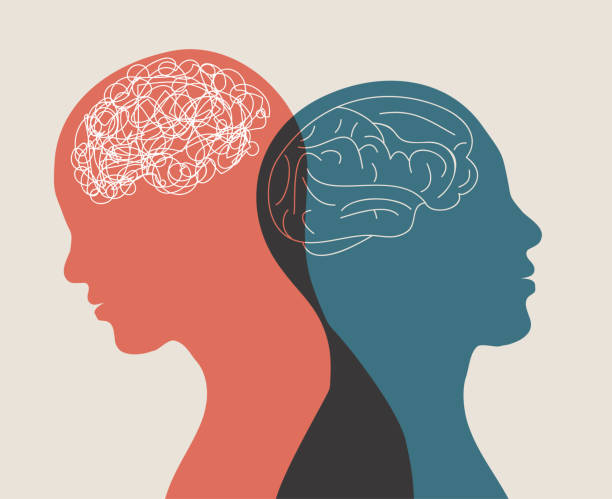
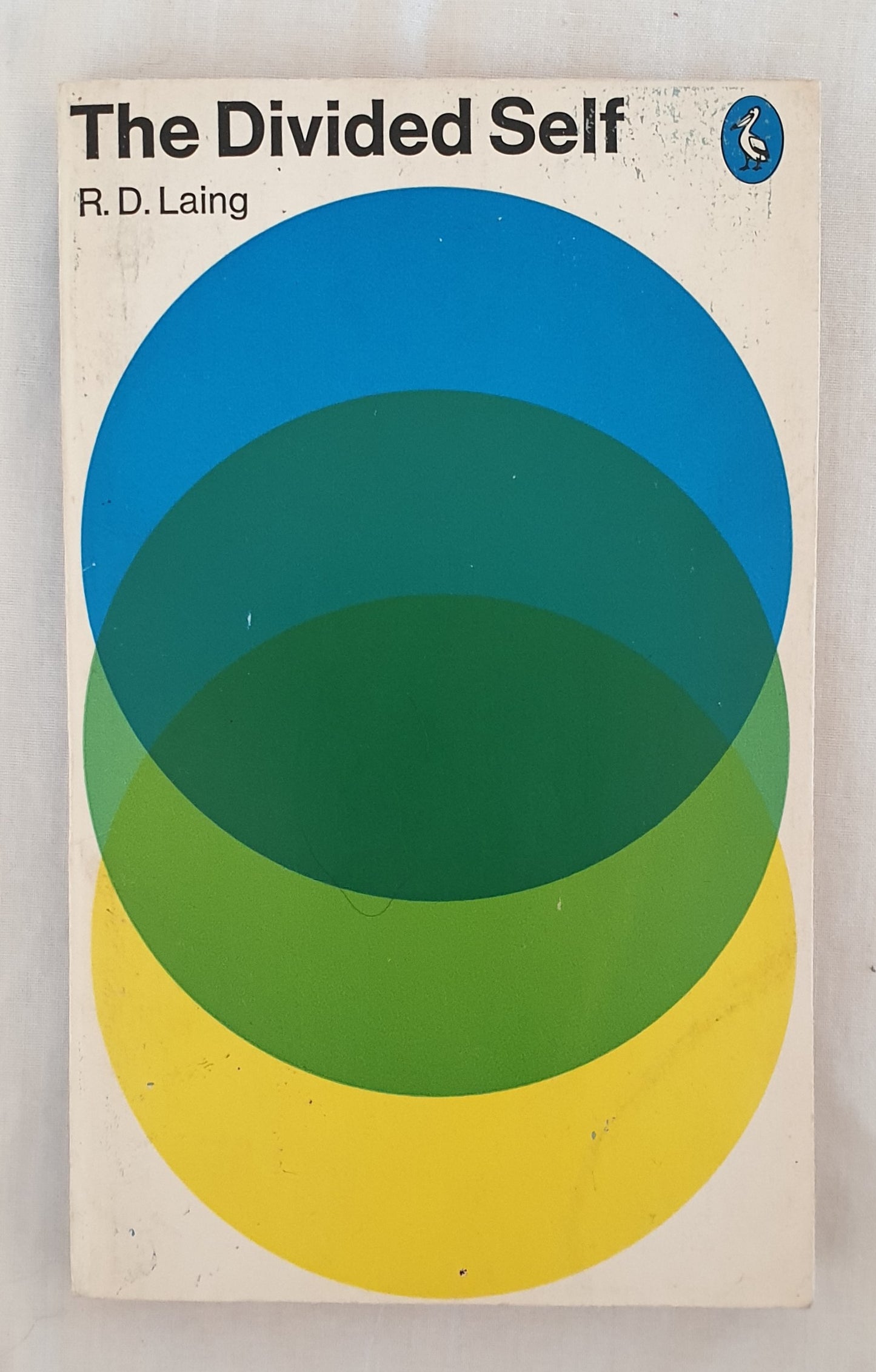
The Divided Self is one of the most influential and unsettling works in the history of psychology and psychiatry. First published in 1960, The Divided Self: An Existential Study in Sanity and Madness by R. D. Laing challenges the idea that mental illness—particularly schizophrenia—is merely a biological defect. Instead, Laing presents a deeply human account of psychological suffering as a crisis of identity, authenticity, and connection.
In an era where mental health is often reduced to diagnoses and treatment protocols, The Divided Self remains profoundly relevant. It asks a timeless question: what happens when a person becomes estranged from their own sense of self?
Read More: Sleep and Mental Health
Who Was R. D. Laing?

R. D. Laing (1927–1989) was a Scottish psychiatrist whose work radically departed from mainstream psychiatric thinking. At a time when schizophrenia was primarily understood as a brain disease requiring medication or institutionalization, Laing argued that madness could be a meaningful response to unbearable life conditions.
Deeply influenced by existential philosophy—especially the works of Kierkegaard, Sartre, and Heidegger—Laing believed that psychiatry had lost sight of the human being behind the symptoms. In The Divided Self, he sought to restore that humanity by listening to patients’ lived experiences rather than reducing them to diagnostic categories.
The Core Idea of The Divided Self
At the heart of The Divided Self lies the concept of internal division. Laing proposed that some individuals experience a split between:
- The true self – the authentic, inner sense of being
- The false self – the socially constructed persona presented to the world
When people grow up in environments where their emotions, perceptions, or identity are repeatedly invalidated, they may begin to doubt their own reality. To survive, they develop a false self that conforms to external expectations while hiding the vulnerable inner self.
Over time, this defensive structure becomes rigid. The person feels unreal, detached, and disconnected—not only from others, but from themselves. For Laing, this is not simply pathology; it is a human adaptation to existential threat.
“The ordinary person is a shriveled, desiccated fragment of what a person can be.”
— Laing (1960)
This statement captures Laing’s unsettling insight: that society itself can produce divided selves.
Sanity, Madness, and the Existential Condition
Laing rejected the idea that madness is inherently meaningless. In The Divided Self, he reframes psychosis as an existential response to extreme alienation. Rather than asking, “What is wrong with this person?”, Laing asks, “What has happened to them?”
For example, when a patient reports feeling that their thoughts are not their own, psychiatry may label this a delusion. Laing instead asks what kind of world could make someone feel so disconnected from their inner life.
He famously argued:
“The madness of the so-called mad is the sanity of the soul trying to break through the bonds of alienation.”
Madness, in this view, may be an attempt at psychological survival—an effort to preserve authenticity when ordinary reality becomes intolerable.
Ontological Insecurity and the False Self
One of Laing’s most important contributions in The Divided Self is the concept of ontological insecurity—a deep sense that one’s existence is unstable or unreal. People who experience ontological insecurity often fear:
- Being overwhelmed by others
- Losing their identity
- Being exposed as empty or false
Family environments play a crucial role here. Laing’s case studies frequently describe families that deny or distort a child’s emotional reality. Over time, the child learns not to trust their own perceptions.
“A man who feels himself as unreal may live among others and yet be utterly alone.”
— Laing (1960)
In such conditions, the false self becomes a form of armor—but one that ultimately isolates rather than protects.
A Book That Is Half Case Study, Half Philosophy
The Divided Self does not read like a traditional psychology textbook. It blends:
- Clinical case histories
- Existential philosophy
- Poetic and sometimes unsettling prose
Laing intentionally avoids simplifying his subject. The fragmented structure of the book mirrors the fragmented inner world he describes. While challenging, this approach invites readers not just to understand divided selves intellectually, but to feel the instability and alienation they endure.

This makes The Divided Self demanding—but deeply rewarding.
The Cultural and Psychological Impact of The Divided Self
When published, The Divided Self caused a seismic shift in psychiatry. Laing became a central figure in what later came to be called the anti-psychiatry movement, which questioned coercive treatments and institutionalization.
His ideas influenced:
- Humanistic and existential therapy
- Trauma-informed care
- Person-centered approaches to mental health
Beyond psychology, Laing’s work shaped literature, art, and countercultural thought. His themes of alienation, authenticity, and identity resonate strongly in modern discussions of mental health and selfhood.
Why The Divided Self Still Matters Today
In the age of curated online identities and performative selfhood, The Divided Self feels eerily contemporary. Many people today experience a gap between who they appear to be and who they feel they truly are.
Laing reminds us that mental suffering cannot be fully understood without context. Healing begins not with labels, but with listening. His work anticipates modern movements that emphasize empathy, narrative, and lived experience in mental health care.
“The true voyage of discovery lies not in seeking new landscapes, but in having new eyes.”
— Laing (1960)
Practical Insights from The Divided Self
Although philosophical, Laing’s work offers practical takeaways:
- Authenticity protects mental health more than conformity
- Emotional invalidation can fracture identity
- Empathy is a therapeutic act
- Understanding must come before intervention
These insights remain foundational in psychotherapy today.
Frequently Asked Questions
Q. What is The Divided Self about?
A. The Divided Self explores how psychological suffering, especially schizophrenia, can emerge from alienation and loss of authentic selfhood rather than purely biological causes.
Q. Is The Divided Self anti-psychiatry?
A. Laing criticized reductionist psychiatry, but he did not deny suffering or reject all treatment. He emphasized understanding and empathy over labeling.
Q. Is The Divided Self still relevant today?
A. Yes. Its themes of identity, authenticity, and alienation resonate strongly in modern mental health discussions.
Q. Is this book difficult to read?
A. It can be challenging due to its philosophical language, but it is deeply rewarding for readers interested in psychology and the human condition.
Conclusion
At its core, The Divided Self is not just about schizophrenia—it is about the human struggle to remain whole in a world that often demands fragmentation. Laing invites us to see madness not as a defect, but as a response to profound disconnection.
Each of us knows what it means, in some way, to feel divided. Laing’s enduring gift is reminding us that healing begins with recognition, empathy, and the courage to see one another as fully human.
Subscribe to PsychUniverse
Get the latest updates and insights.
Join 3,085 other subscribers!
Niwlikar, B. A. (2025, November 1). The Divided Self: A Powerful Guide to Sanity and Madnes. PsychUniverse. https://psychuniverse.com/psyched-for-book-the-divided-self/