Introduction
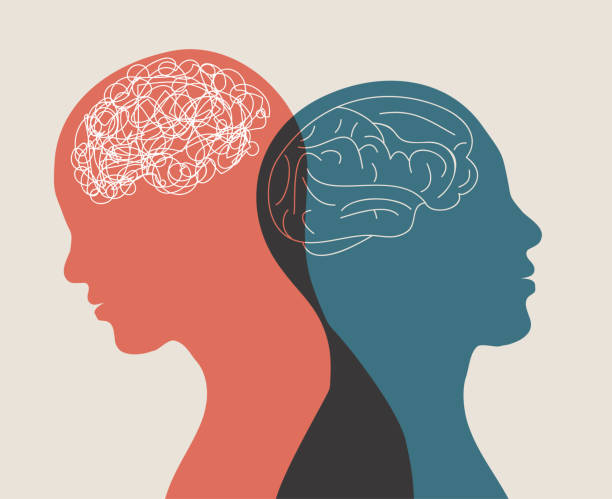
Can emotional pain be inherited—even if we never personally experienced the trauma? Growing psychological and biological research suggests the answer is yes. Inherited trauma, also known as transgenerational or intergenerational trauma, refers to the transmission of trauma-related psychological and biological effects from one generation to the next.
Once considered controversial, inherited trauma is now supported by evidence from clinical psychology, neuroscience, and epigenetics, showing that the emotional wounds of parents and grandparents can shape mental health outcomes in children and grandchildren. Understanding inherited trauma not only deepens our insight into mental health but also opens pathways for healing at both individual and societal levels.
Read More: Sleep and Mental Health
What Is Inherited Trauma?
Inherited trauma describes patterns of emotional distress—such as anxiety, depression, hypervigilance, or emotional numbing—that appear in individuals who did not directly experience the original traumatic event.

Psychologically, inherited trauma often develops when trauma in parents or grandparents remains unresolved. Their coping strategies, emotional regulation, beliefs, and relational patterns shape the family environment, subtly embedding trauma responses into everyday life (Danieli, 1998).
Biologically, research in epigenetics suggests that trauma-related stress can alter gene expression, particularly genes involved in stress regulation. These changes may increase sensitivity to stress in future generations (Yehuda et al., 2016).
How Trauma Is Transmitted Across Generations
Some ways trauma is transmitted include:
1. Psychological and Behavioral Transmission
Children learn how to interpret the world through caregivers. Parents affected by trauma may display heightened fear, emotional withdrawal, or avoidance behaviors. Even without explicit storytelling, children can absorb trauma through tone, reactions, and emotional climate.
Silence around trauma can be especially powerful. When children sense distress but receive no explanation, anxiety and confusion often fill the gap.
2. Family Narratives and Communication Patterns
Family storytelling—or the lack of it—plays a critical role in inherited trauma. Research shows:
- Avoidance or secrecy can create shame, fear, and emotional ambiguity.
- Overexposure to traumatic stories may overwhelm children’s sense of safety.
Balanced, age-appropriate narratives help contextualize trauma without re-traumatizing descendants (Kellermann, 2001).
3. Epigenetic Mechanisms
Epigenetics refers to changes in gene expression that do not alter DNA sequences. Trauma can modify how stress-related genes function through processes like DNA methylation.
Notably, studies show trauma may alter genes regulating cortisol, the body’s primary stress hormone. These epigenetic changes can be passed to offspring, increasing vulnerability to anxiety and PTSD-like symptoms (Yehuda et al., 2014).
Key Case Studies of Inherited Trauma
Some case studies include:

Holocaust Survivors and Their Descendants
Children of Holocaust survivors are among the most extensively studied populations in transgenerational trauma research. Despite growing up in relatively safe environments, many exhibit heightened anxiety, nightmares, and emotional dysregulation.
Studies reveal altered cortisol levels and epigenetic changes in stress-related genes such as NR3C1, suggesting biological transmission of trauma vulnerability (Yehuda et al., 2001; 2016).
Descendants of Enslaved African Americans
Psychologists argue that the legacy of slavery, segregation, and systemic racism contributes to intergenerational trauma within African American communities. This trauma can manifest as hypervigilance, distrust, and chronic stress, shaped by both historical trauma and ongoing discrimination (DeGruy, 2005).
Indigenous and Colonized Communities
Maria Yellow Horse Brave Heart (2003) introduced the concept of Historical Trauma, describing cumulative emotional and psychological harm from colonization, forced displacement, and cultural genocide.
Symptoms may include depression, substance use disorders, and identity fragmentation—often intensified by present-day inequities.
Does Inherited Trauma Mean We Are Destined to Suffer?
No. Inherited trauma does not equal inherited destiny.
While trauma can be passed down, so can resilience. Epigenetic changes are not permanent; supportive environments, therapy, and secure relationships can reverse or buffer biological vulnerability (Meaney & Szyf, 2005).
Understanding inherited trauma encourages compassion—not fatalism—and highlights the importance of intentional healing.
Neuroscience and Epigenetics
Animal studies were among the first to demonstrate biological inheritance of trauma. In a landmark experiment, mice conditioned to fear a specific odor passed that fear response to offspring who had never been exposed to the original trauma (Dias & Ressler, 2014).

Human studies echo these findings. Rachel Yehuda’s research shows altered methylation of stress-regulating genes in children of Holocaust survivors, correlating with increased anxiety and stress sensitivity (Yehuda et al., 2016).
Crucially, these findings emphasize plasticity, not determinism.
Psychological Signs of Inherited Trauma
Inherited trauma may present as:
- Hypervigilance – Constantly anticipating danger
- Emotional numbing – Difficulty feeling or expressing emotions
- Chronic guilt or shame – Feeling responsible for ancestral suffering
- Attachment difficulties – Fear of closeness or abandonment
Left unaddressed, these patterns can affect education, relationships, physical health, and parenting styles, perpetuating trauma cycles.
Therapeutic Approaches to Healing Inherited Trauma
- Narrative Therapy: Reconstructing family stories helps individuals understand emotional patterns and break cycles of silence and shame (White & Epston, 1990).
- Trauma-Focused Cognitive Behavioral Therapy (TF-CBT): TF-CBT helps individuals reframe distorted beliefs, regulate emotions, and process trauma-related anxiety—even when the trauma is inherited rather than directly experienced (Cohen et al., 2016).
- Family and Intergenerational Therapy: Involving multiple generations can clarify unconscious patterns and rebuild secure attachment across family systems.
- Culturally Responsive Healing: Culturally adapted interventions—such as Historical Trauma and Unresolved Grief Therapy—integrate collective rituals, storytelling, and cultural identity as healing tools (Brave Heart, 2003).
- Somatic and Body-Based Therapies: Approaches like Somatic Experiencing address how trauma is stored in the nervous system, helping release chronic tension and hyperarousal (Levine, 1997).
Societal and Policy Implications
Recognizing inherited trauma reshapes how societies understand inequality, health disparities, and systemic injustice. Trauma passed across generations underscores the need for:
- Trauma-informed education
- Culturally competent mental health services
- Policies addressing historical harm
- Community-based healing initiatives
Without this lens, trauma-related outcomes are often misattributed to personal failure rather than structural wounds.
Building Resilience Across Generations
Protective factors that interrupt trauma transmission include:
- Secure, emotionally responsive caregiving
- Strong community and cultural identity
- Access to mental health support
- Open acknowledgment of historical truths
Trauma may be inherited—but resilience is learnable.
Moving Toward Intergenerational Healing
Healing inherited trauma requires both individual insight and collective responsibility. Education, acknowledgment, restorative justice, and accessible therapy are essential to transforming painful legacies into growth.
As trauma researcher Bessel van der Kolk (2014) notes, “Being able to feel safe with other people is probably the single most important aspect of mental health.”
Creating safety—within families, communities, and systems—is the foundation of breaking trauma cycles.
Conclusion
Inherited trauma reveals how deeply interconnected human lives are across generations. While we may carry echoes of ancestral pain, we also carry the capacity for healing, meaning, and resilience.
By understanding the psychology and biology of transgenerational trauma—and committing to compassionate, informed healing—we can ensure that what we pass down is not just survival, but strength.
References
Brave Heart, M. Y. H. (2003). The historical trauma response among Natives and its relationship with substance abuse: A Lakota illustration. Journal of Psychoactive Drugs, 35(1), 7–13.
Cohen, J. A., Mannarino, A. P., & Deblinger, E. (2016). Trauma-focused CBT for children and adolescents: Treatment applications. Guilford Press.
Danieli, Y. (Ed.). (1998). International handbook of multigenerational legacies of trauma. Springer.
DeGruy, J. (2005). Post traumatic slave syndrome: America’s legacy of enduring injury and healing. Uptone Press.
Dias, B. G., & Ressler, K. J. (2014). Parental olfactory experience influences behavior and neural structure in subsequent generations. Nature Neuroscience, 17(1), 89–96.
Gervais, M. (2017). Finding mastery: High-performance psychology. [Podcast].
Kellermann, N. P. F. (2001). Transmission of Holocaust trauma—An integrative view. Psychiatry, 64(3), 256–267.
Levine, P. A. (1997). Waking the tiger: Healing trauma. North Atlantic Books.
Meaney, M. J., & Szyf, M. (2005). Maternal care as a model for experience-dependent chromatin plasticity? Trends in Neurosciences, 28(9), 456–463.
White, M., & Epston, D. (1990). Narrative means to therapeutic ends. W. W. Norton.
Yehuda, R., et al. (2001). Vulnerability to posttraumatic stress disorder in adult offspring of Holocaust survivors. American Journal of Psychiatry, 158(7), 1022–1028.
Yehuda, R., et al. (2014). Influences of maternal and paternal PTSD on epigenetic regulation of the glucocorticoid receptor gene in Holocaust survivor offspring. American Journal of Psychiatry, 171(8), 872–880.
Yehuda, R., et al. (2016). Holocaust exposure induced intergenerational effects on FKBP5 methylation. Biological Psychiatry, 80(5), 372–380.
Subscribe to PsychUniverse
Get the latest updates and insights.
Join 3,085 other subscribers!
Niwlikar, B. A. (2025, July 9). Inherited Trauma: 3 Powerful Ways Trauma Shapes Us. PsychUniverse. https://psychuniverse.com/inherited-trauma/